Key Takeaways
- Rust develops on pans due to moisture, improper cleaning, acidic food, or a lack of seasoning.
- Baking soda, vinegar soaks, coarse salt with lemon, and steel wool are safe rust removal methods. However, you can also prevent rust by fully drying pans and storing them in a dry space.
- Replace pans with deep pitting, flaking, or recurring rust issues; nonstick pans must be replaced at the first sign of rust.
- With proper care, professional-grade bakeware like de Buyer’s can last for years while maintaining performance.
Rust isn’t just unsightly and dirty; it can seriously affect your cookware’s performance and longevity. Rust can develop from any number of issues, like moisture, improper cleaning, and lack of seasoning on certain metals.
This article will cover where exactly rust comes from, safe methods for removing it, preventative care, and when to replace pans.
Why Do Baking Pans Rust?
Rust, also known as iron oxide, forms when iron, water, and oxygen get together. Essentially, when water is allowed to sit on an iron pan, it combines with the carbon dioxide in the air, creating a very weak acid. This acid, called carbonic acid, is strong enough to slowly dissolve the iron pan.
Common causes of rust include:
- Leaving pans wet
- Improper drying
- Acidic food reactions
- Lack of protective seasoning (for steel pans).
Carbon steel, blue steel, and aluminum pans are most vulnerable to rust, while stainless steel and coated bakeware have more natural protections. Generally, the more iron a pan has, the more susceptible it is to rust. It’s also important to understand that rust is not the only corroding phenomenon you should be worried about.
Corrosion can be defined as the tendency of a metal, produced and formed by a substantial application of energy, to return to its natural state of lower energy. All cookware is subject to the natural tendency to corrode, but the maintenance practices that prevent and clean rust also work to prevent general corrosion.
How to Get Rid of Rust on Baking Pans
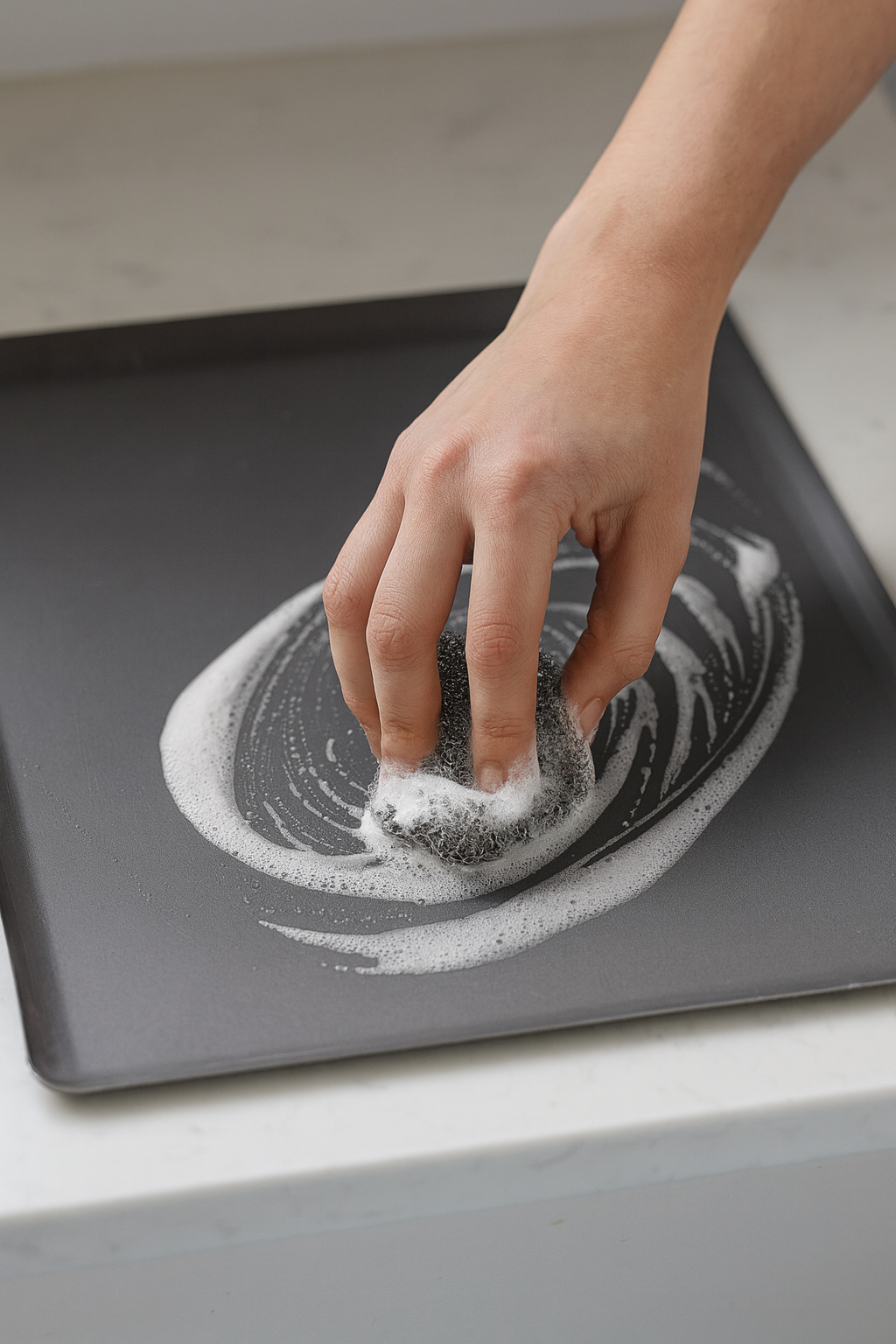
There are four ways to get rid of rust on baking pans. After each method, you must rinse thoroughly, wash with soap and water, and dry completely. You can try:
- Removing Rust with Baking Soda: Wet the pan and sprinkle baking soda on the rusty spots to form a paste. Let it sit for 30 minutes, then scrub with a sponge or scouring pad.
- Soaking Carbon Steel in Vinegar: Fill a sink or container with equal parts vinegar and water, then soak your cookware for 1 to 5 hours, depending on the severity of rust. Scrub off the loosened rust with a sponge or steel wool.
- Getting Rid of Rust with Coarse Salt: Sprinkle coarse salt over rusty areas, then scrub using a lemon. The mild abrasiveness of salt and the acid from the lemon dissolve the rust.
- Scouring Cast-Iron/Carbon Steel with Steel Wool: For light rust, simply scrub the pan with steel wool and warm water.
Avoid using harsh chemicals that could leave toxic residues on your pan.
When Should You Reseason Your Pan?
For carbon or blue steel pans, you should reseason right after removing rust. Once the rust is gone, apply a thin layer of oil to the entire surface and bake the pan. This process rebuilds the natural nonstick coating, often called a patina.
Seasoning is essential because it serves two purposes: it protects the metal from rust by creating a barrier against moisture and oxygen, and it improves cooking performance by developing a smooth, slick surface that releases food easily and enhances flavor over time.
That being said, it’s not always necessary to season bakeware. Review your individual pans' maintenance and cleaning instructions from the manufacturer.
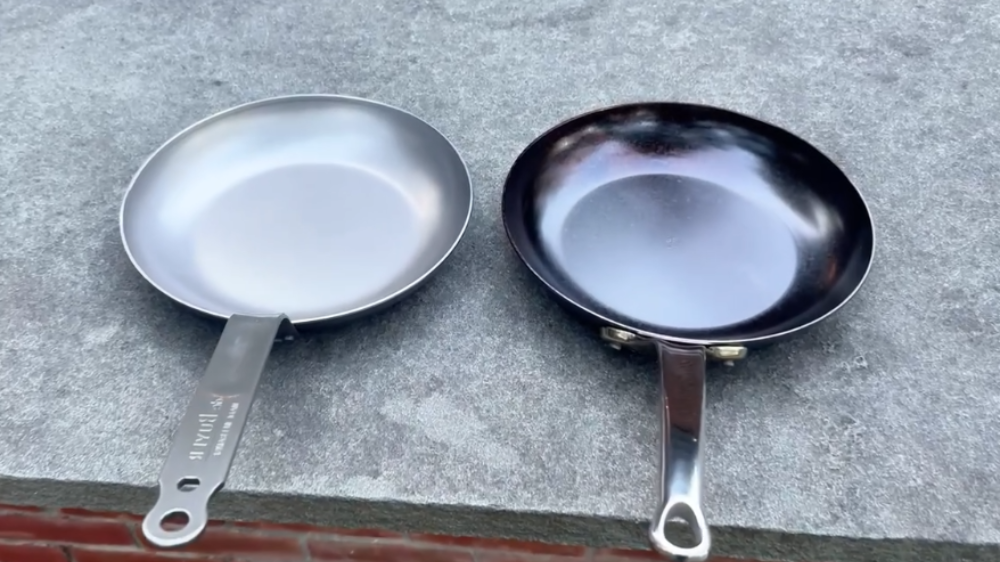
For example, de Buyer’s blue steel pans are designed to be seasoned, so surface rust can be treated, and then these pans can be reseasoned.
How Can You Prevent Rust?
The best way to avoid rust is to prevent it entirely. Use these tips in your daily kitchen life:
- Always dry pans thoroughly after washing.
- Store in a dry, well-ventilated space.
- For steel pans, apply a thin oil coat between uses.
- Avoid soaking pans overnight or running them through the dishwasher if not dishwasher-safe.
- Avoid excessive salt exposure.
- Avoid scratching the surface of your pan; this makes it easier for rust to form.
When Is It Time to Replace Rusted Bakeware?
Surface-level rust is fixable, but deep pitting or flaking compromises performance, and there is a point of no return. For nonstick pans (with a nonstick coating), you need to replace the pan at the first sign of rust. The rust indicates that the coating has been damaged and cannot be replaced.
For all other pan types, the signs of replacement are the same. If rust keeps returning despite care, or if the surface integrity is damaged, it’s time for replacement. Rust is a natural process, and eventually, especially with well-used bakeware, it will damage the integrity of your pan. Regular cleaning of your pan will prevent it from affecting your pan for years or even decades of use.
Care Now, Bake Better Later
de Buyer’s blue steel pans guard against rust via seasoning and the unique blue carbon steel construction. Keep in mind that while the perforated Air System bakeware with nonstick coating is less prone to rusting, it still requires proper care. With the right maintenance, de Buyer’s exceptional, professional-grade bakeware lasts for years.


Recommended for You
-
MINERAL B PRO Carbon Steel Fry Pan
$110.00 - $175.00Regular price $110.00Regular priceUnit price per$0.00Sale price $110.00 -
-
MINERAL B PRO Carbon Steel Omelette Pan
$130.00 - $145.00Regular price $130.00Regular priceUnit price per -
Protective Sleeve for Pan Handle
$12.50 USDRegular price $12.50Regular priceUnit price per -
-
MINERAL B Carbon Steel Omelette Pan
$85.00 - $120.00Regular price $85.00Regular priceUnit price per -
MINERAL B Carbon Steel Crepe Pan
$75.00 - $100.00Regular price $75.00Regular priceUnit price per -
MINERAL B Carbon Steel Egg & Pancake Pan
$50.00 - $60.00Regular price $50.00Regular priceUnit price per -
MINERAL B Carbon Steel Country Fry Pan
$125.00 - $185.00Regular price $125.00Regular priceUnit price per -
 Sold outSold out
 -
 Sold out
Blue Carbon Steel Baking Sheet
$45.00 - $55.00Regular price $45.00Regular priceUnit price per -
 Sold out
B BOIS Flexible Turner
$36.00 USDRegular price $36.00Regular priceUnit price per


