
Key Takeaways
- Kitchen organization is about function, not aesthetics—an efficient, well-organized kitchen reduces stress, cuts prep time, limits food waste, and helps cookware last longer.
- Effective organization starts with decluttering, keeping only tools and cookware you actually use, and prioritizing fewer, high-quality, multi-purpose pieces over crowded cabinets of rarely used items.
- Zone-based organization improves workflow by placing tools and ingredients where they’re used most, from prep and cooking zones to cleaning and storage areas designed for visibility and easy access.
- Thoughtful cookware and appliance storage protect your investment, encourage regular cooking, and create a kitchen that actively supports better habits and more enjoyable meals year-round.
Your kitchen is the heart of the home. You spend time in it every day, and it’s easy to become numb to the mess. Cluttered counters pile up, and overstuffed drawers stop closing, until you’re left with a truly disorganized kitchen that drains your enthusiasm for cooking.
Kitchen organization isn’t about achieving a magazine-worthy aesthetic. It’s about creating a functional workspace that supports better cooking habits. This guide walks through practical organization strategies by kitchen zone, from prep areas to storage, with a focus on efficiency and maintaining cookware longevity through proper organization.
Why Kitchen Organization Matters for Home Cooks
A well-organized kitchen directly impacts cooking frequency and enjoyment.
- Efficiency Gains: Organized kitchens reduce prep time, so you spend less time hunting for tools and more time actually cooking.
- Food Waste Reduction: When ingredients are visible and accessible, you're more likely to use them before they spoil.
- Equipment Longevity: Proper storage prevents damage to cookware, knives, and tools, avoiding the costly cycle of replacement.
- Mental Clarity: A clean, organized workspace reduces stress and makes the process more enjoyable.
The goal is to create systems that work for your cooking habits, not someone else's aesthetic.
Start by Decluttering: The Foundation of Kitchen Organization
Before organizing, you need to know what you're working with. You may have forgotten what pans you actually own and may find bakeware you thought was lost long ago.
Pull everything out of cabinets, drawers, and the pantry to assess what you actually have and use. If you haven't used a tool or appliance in over a year, consider whether you still need it or whether it would be better to donate.
This is a great time to recycle or trash any cheap pans or utensils that don't perform well and just create clutter. Owning fewer high-quality pieces serves you better.
- What to Toss: Duplicate tools, uni-taskers that rarely get used, warped or damaged cookware, and mystery gadgets you forgot you owned
- What to Keep: Tools you reach for regularly, specialty items for cuisines you cook often, and quality pieces that perform multiple functions
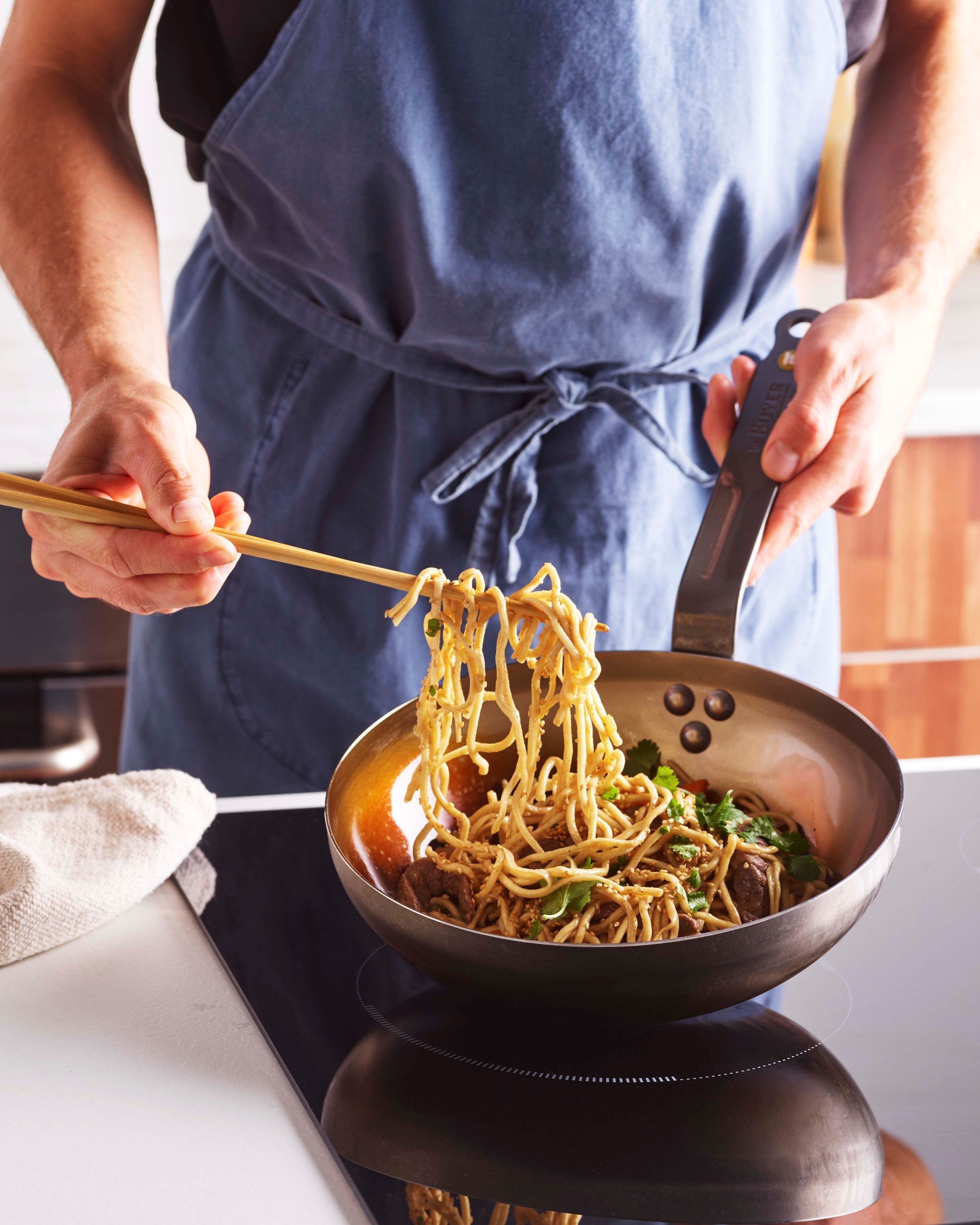
The de Buyer philosophy is that investing in durable, multi-functional cookware means you need fewer pieces. For example, a single 12" carbon steel pan handles everything from morning eggs to evening stir-fries.
How to Organize Your Kitchen by Cooking Zones
Professional kitchens use zone-based organization, and home cooks should, too—group tools and ingredients by task rather than by category.
Prep Zone (Near Cutting Board/Counter)
The prep zone should be designed to minimize movement during ingredient prep. This helps your prep process go faster.
- Keep cutting boards, knives, mixing bowls, and measuring tools here
- Store frequently used spices and oils within arm's reach
- Keep the prep zone near the sink for more efficient peeling and handwashing
Cooking Zone (Near Stove)
Store everything you need within arm's reach while the heat is on. Your everyday pans should be the easiest to grab, so do not stack them with rarely used specialty cookware.
The general rule is that if you reach for a pan more than twice a week, it does not belong in deep storage. Store the following near your cooking zone:
- Pots and pans (especially daily users)
- Lids (vertical organizers help)
- Spatulas, wooden spoons, tongs, whisks
- Oven mitts and trivets
- Cooking spices that are used mid-recipe
Baking sheets work well near or under the oven, since they’re often used straight from the freezer to the oven. Alternatively, if you regularly grab frozen food and move directly to the oven, you can store baking sheets on the same side of the oven as your landing zone.
Cleaning Zone (Near Sink)
The cleaning zone should be near the prep zone and centered around the sink. Keep the trash can and recycling nearby, as well.
- Dish soap, scrub brushes, drying racks, and dish towels
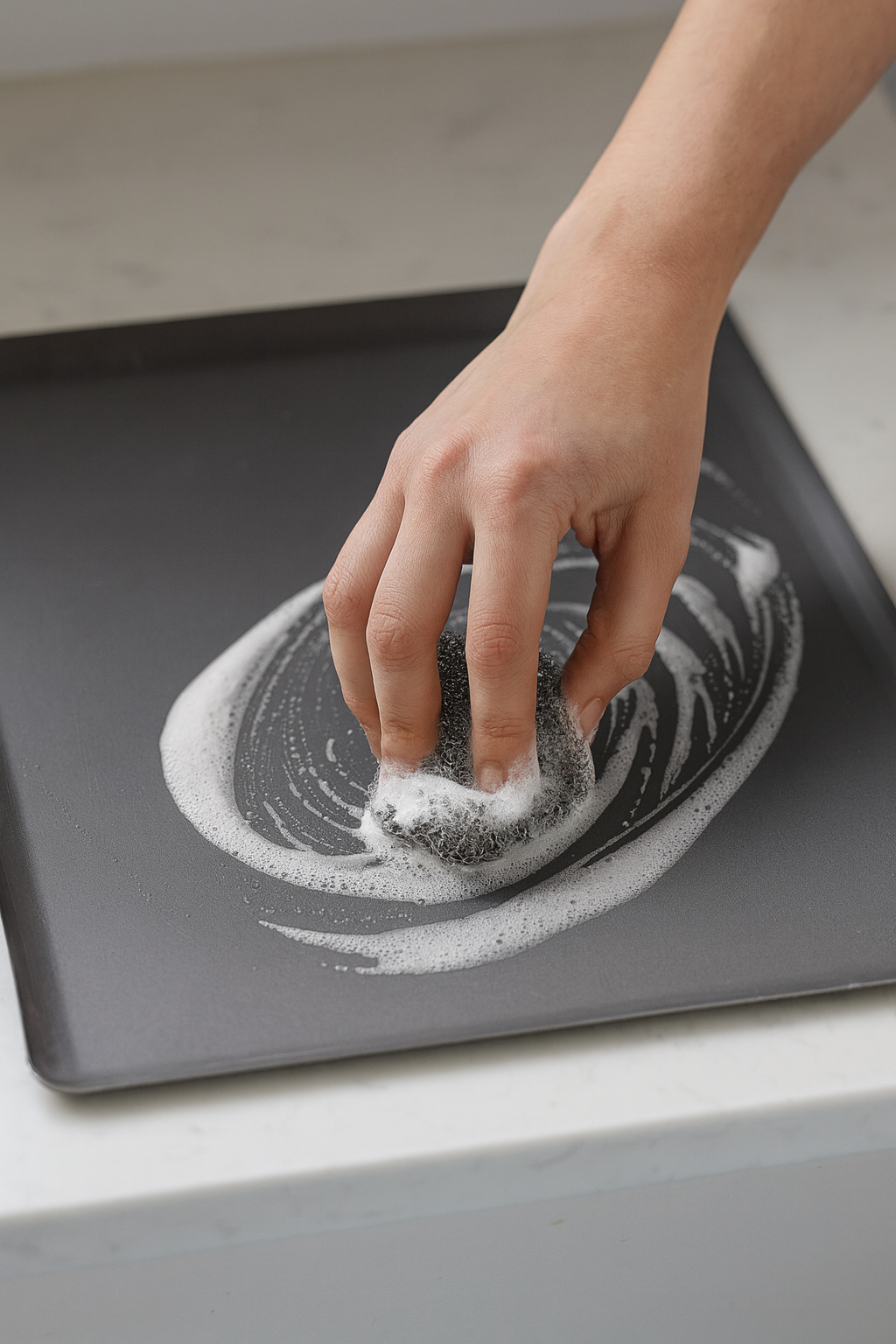
- Store cookware cleaning supplies (like those for carbon steel or copper) in this zone
Storage Zone (Pantry/Fridge)
Your storage zones should be organized for visibility and easy restocking. Each storage area accomplishes this using distinct methods.
Pantry Organization
- Group by how items are used together, not just by type.
- Use bins or boxes so you can pull everything out at once.
- Glass containers reduce waste. If you can’t see it, you’ll forget it.
The general shelf placement rule is that items you use every day belong between eye and hip level. The weekly-use items go on the lower or upper cabinets. Items you rarely use can go on the very top shelves.
Appliance and Fridge Organization
If an appliance is hard to reach, you’ll stop using it. If a refrigerated item is unlabeled, then you'll just throw it away or forget about it. Label and rotate cold and frozen foods using first-in, first-out logic.
- Store everyday meal ingredients together in bins
- Keep leftovers and ready-to-eat items on one shelf so nothing gets lost
- Store all condiments together, organized by height, for better visibility
- Daily-use appliances belong on the countertop, weekly-use appliances belong on the lower cabinets, and rarely-used appliances belong in the deep pantry
Smart Cookware Storage That Protects Your Investment
Cookware storage directly affects how long your pans last and how efficiently you cook. Stacking pans without protection causes scratches, especially on non-stick coatings. You can use pads to cushion the pan, but this can become a hassle.
- Pan Organizers or Drawer Dividers: Keep cookware separated, and promote easy access.
- Hanging Racks: Wall-mounted or ceiling racks maximize vertical space and make pans instantly accessible. It can be visually cluttered, but it is efficient.
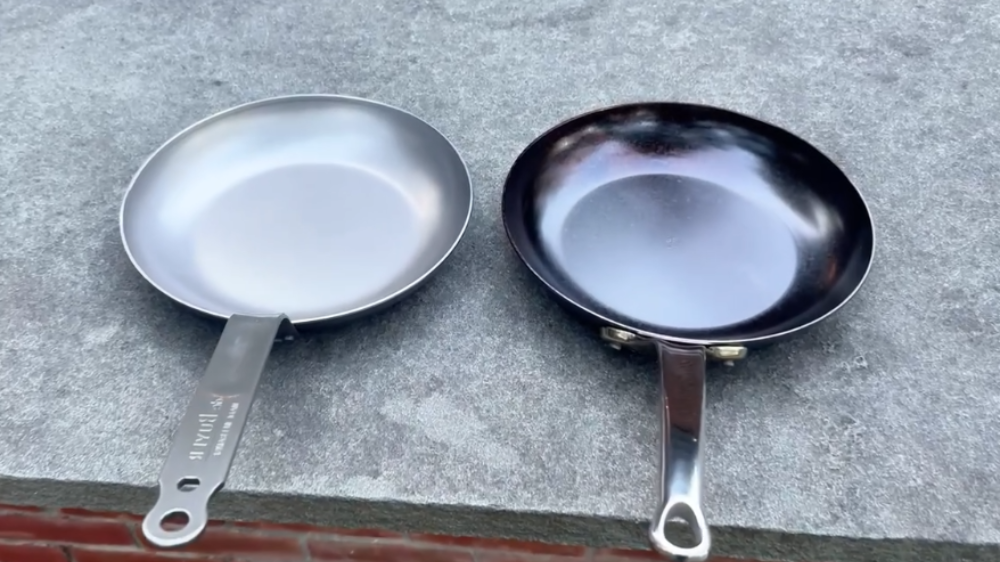
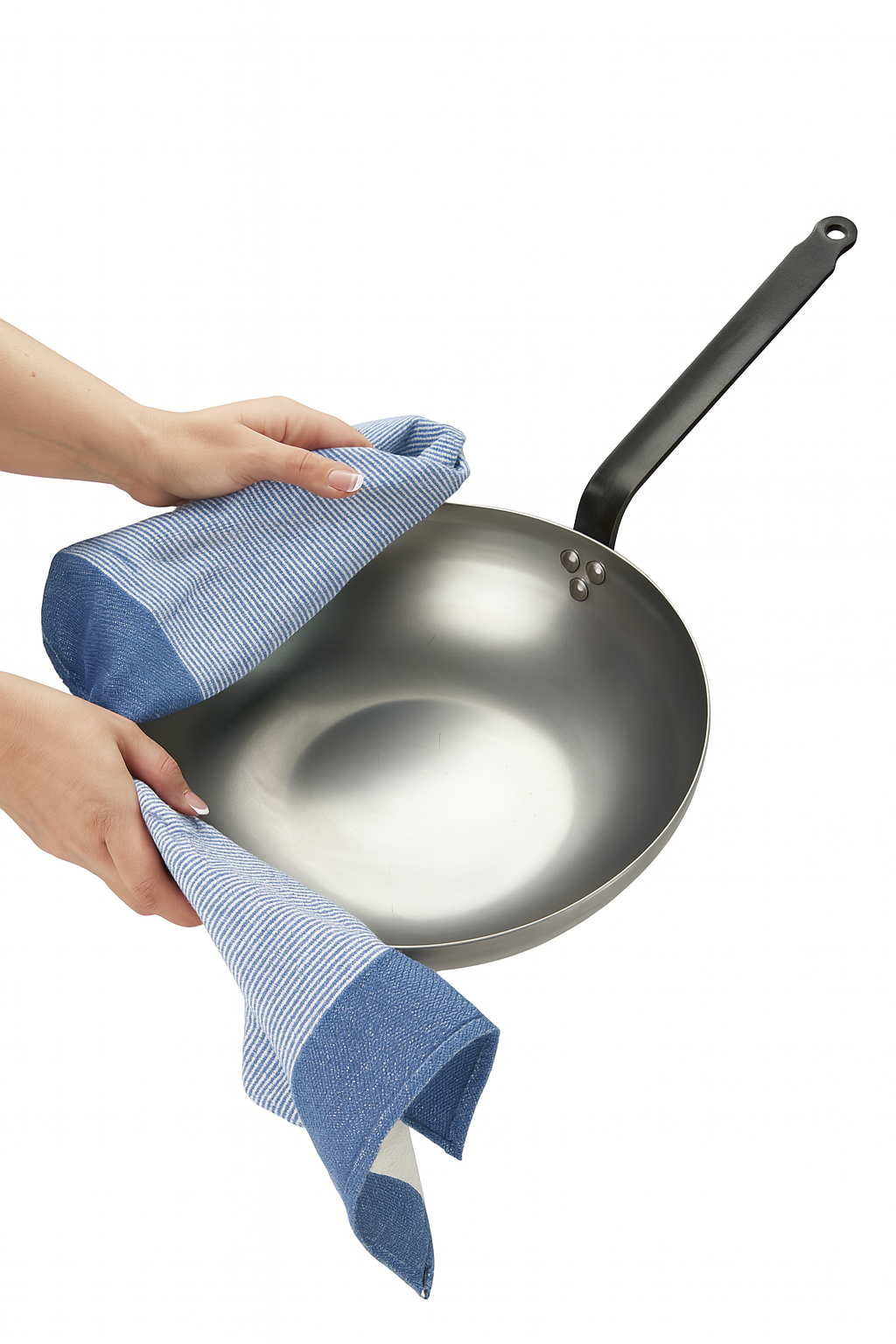
- Material-specific Considerations: Carbon steel and cast iron need good airflow to prevent moisture buildup, though stainless steel is more moisture-tolerant. Non-stick coatings require separation to avoid scratches.
- Lid Storage: Store lids separately using lid organizers or wall-mounted racks. Trying to store pots with lids attached wastes space.
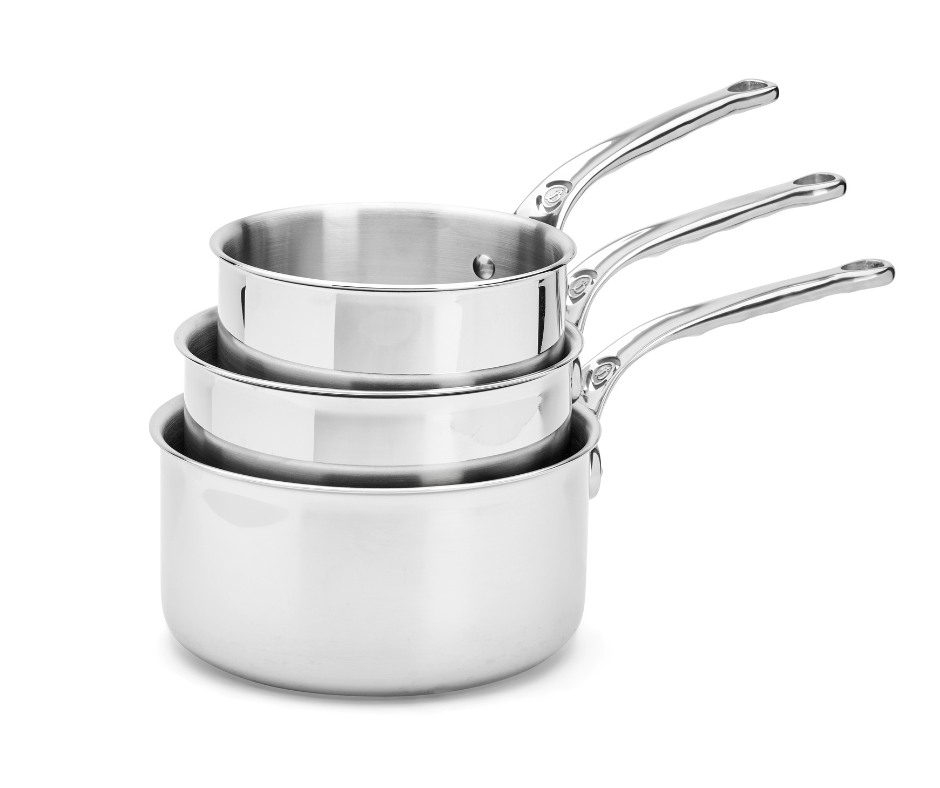
Cookware that’s designed to nest efficiently saves cabinet space without sacrificing protection.
Build a Kitchen That Inspires Better Cooking
An organized kitchen is a space that supports your cooking goals. Start small with basic decluttering, then implement zone-based organization, and finally optimize your cookware storage.
The combination of smart organization and high-quality cookware makes daily cooking less stressful and more enjoyable. This year, commit to a kitchen that works for you: organized and equipped with tools that perform.
Ready to build a kitchen you'll actually want to cook in? Explore de Buyer's collection of French-made cookware, bakeware, and kitchen tools, designed to last, built to perform, and worthy of your newly organized space.



Recommended for You
-
MINERAL B PRO Carbon Steel Fry Pan
$110.00 - $175.00Regular price $110.00Regular priceUnit price per$0.00Sale price $110.00 -
-
MINERAL B PRO Carbon Steel Omelette Pan
$130.00 - $145.00Regular price $130.00Regular priceUnit price per -
Protective Sleeve for Pan Handle
$12.50 USDRegular price $12.50Regular priceUnit price per -
-
MINERAL B Carbon Steel Omelette Pan
$85.00 - $120.00Regular price $85.00Regular priceUnit price per -
MINERAL B Carbon Steel Crepe Pan
$75.00 - $100.00Regular price $75.00Regular priceUnit price per -
MINERAL B Carbon Steel Egg & Pancake Pan
$50.00 - $60.00Regular price $50.00Regular priceUnit price per -
MINERAL B Carbon Steel Country Fry Pan
$125.00 - $185.00Regular price $125.00Regular priceUnit price per -
 Sold outSold out
 -
 Sold out
Blue Carbon Steel Baking Sheet
$45.00 - $55.00Regular price $45.00Regular priceUnit price per -
 Sold out
B BOIS Flexible Turner
$36.00 USDRegular price $36.00Regular priceUnit price per


