
Key Takeaways
- Cooking for one is an opportunity, not a limitation. With full control over portions, ingredients, and flavors, solo cooking can be more affordable, healthier, and more enjoyable than relying on takeout.
- Buying smaller quantities, choosing versatile staples, shopping more frequently, and using frozen foods help prevent spoilage and unnecessary leftovers.
- A few high-quality, smaller pans and tools deliver better results, faster cooking, and simpler cleanup without overcrowding your kitchen.
- Thoughtful storage and simple recipes keep solo cooking sustainable.
Cooking for one doesn’t need to be boring. It's an opportunity to cook exactly what you want, when you want it. The biggest hurdles are that most recipes serve two to four people, grocery stores often have the best deals in bulk, and motivation can wane when you're the only one at the table.
Solo cooks don’t want to waste food, buy ingredients they'll only use once, or fill their entire fridge with leftovers. Despite these concerns, cooking for one means faster prep, less cleanup, and total control over your meals.
This guide covers smart shopping strategies, essential equipment for solo cooking, storage solutions, and three easy weeknight recipes designed for one.
Why Cooking for One Is Worth the Effort
Cooking for one doesn't mean eating sad, lonely meals. It means intentional, satisfying food that’s perfectly tailored to you.
- Financial Benefits: Yes, takeout for one is quick and easy, but cooking at home saves you money every single day.
- Health Advantages: You control ingredients, portions, and cooking methods, so there’s no hidden sodium, sugar, or poor-quality oils.
- Flexibility and Creativity: No need to compromise on flavors or accommodate other preferences. You can cook what you actually want to eat.
- Skill Building: Cooking regularly, even simple meals, builds confidence and expands your repertoire.
- Mindful Eating: Taking time to prepare a meal for yourself is an act of self-care that aligns with mindful eating, a philosophy that promotes a healthy relationship with food.
Smart Shopping Strategies to Minimize Waste
About 30 to 40% of the food supply ends up in the trash. These food strategies help you do your part to prevent waste and save money.
|
Strategy |
What to Do |
Why It Works |
|
Take Inventory First |
Check your fridge, freezer, and pantry before shopping |
Prevents duplicate purchases and forgotten food |
|
Buy Only What You Need at Ethnic and Specialty Markets |
Choose loose produce and small quantities instead of bulk packs |
Reduces spoilage and wasted leftovers since these markets have sizing options for small households |
|
Shop More Frequently |
Make smaller, more frequent grocery trips |
Keeps food fresher and limits overbuying |
|
Choose Versatile Staples |
Stock ingredients that work across many dishes |
Minimizes single-use items that go unused |
|
Use Bulk Bins Strategically |
Buy exact amounts of grains, nuts, and spices |
Avoids excess and saves money on items that last |
|
Embrace Frozen Foods |
Use frozen produce, meat, and bread when practical |
Extends shelf life with no loss in nutrition |
|
Plan for Leftovers |
Cook intentionally for multiple meals |
Turns one meal into several and cuts prep time |
Essential Equipment for Cooking for One
You don’t need a full professional kitchen's worth of supplies for just one person. It’s better to have three to four excellent pieces rather than a drawer full of mediocre tools you never use.
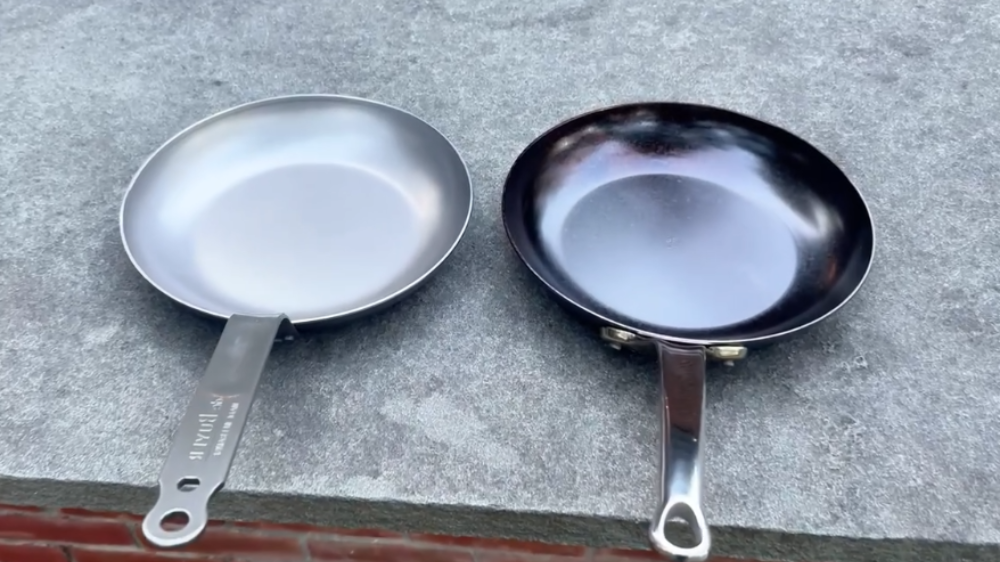
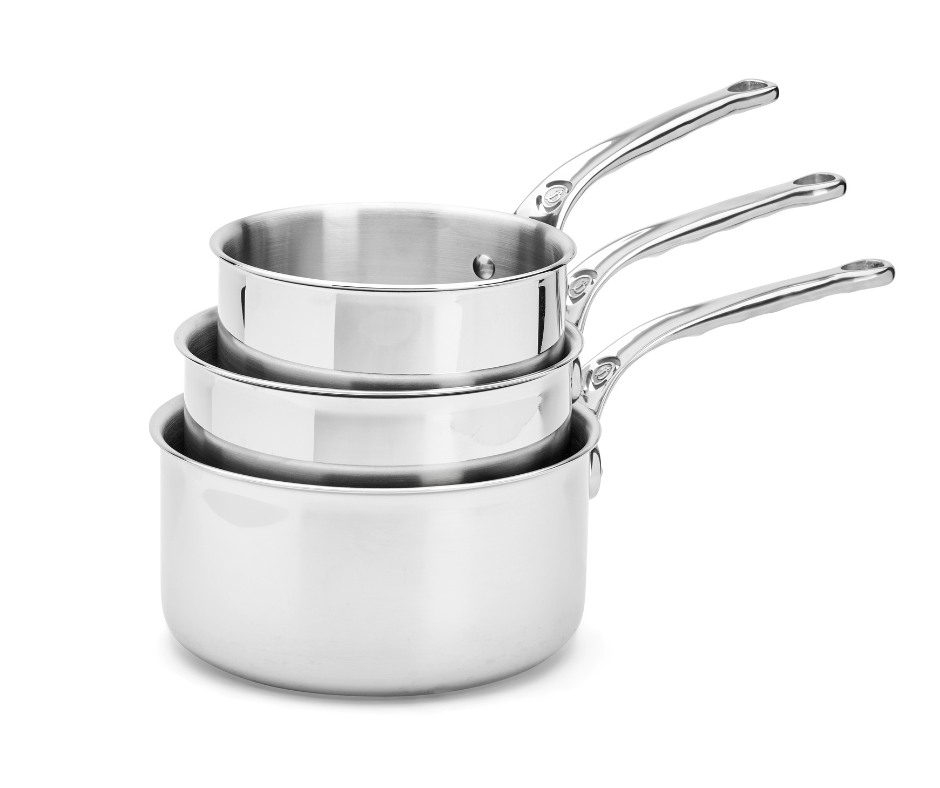
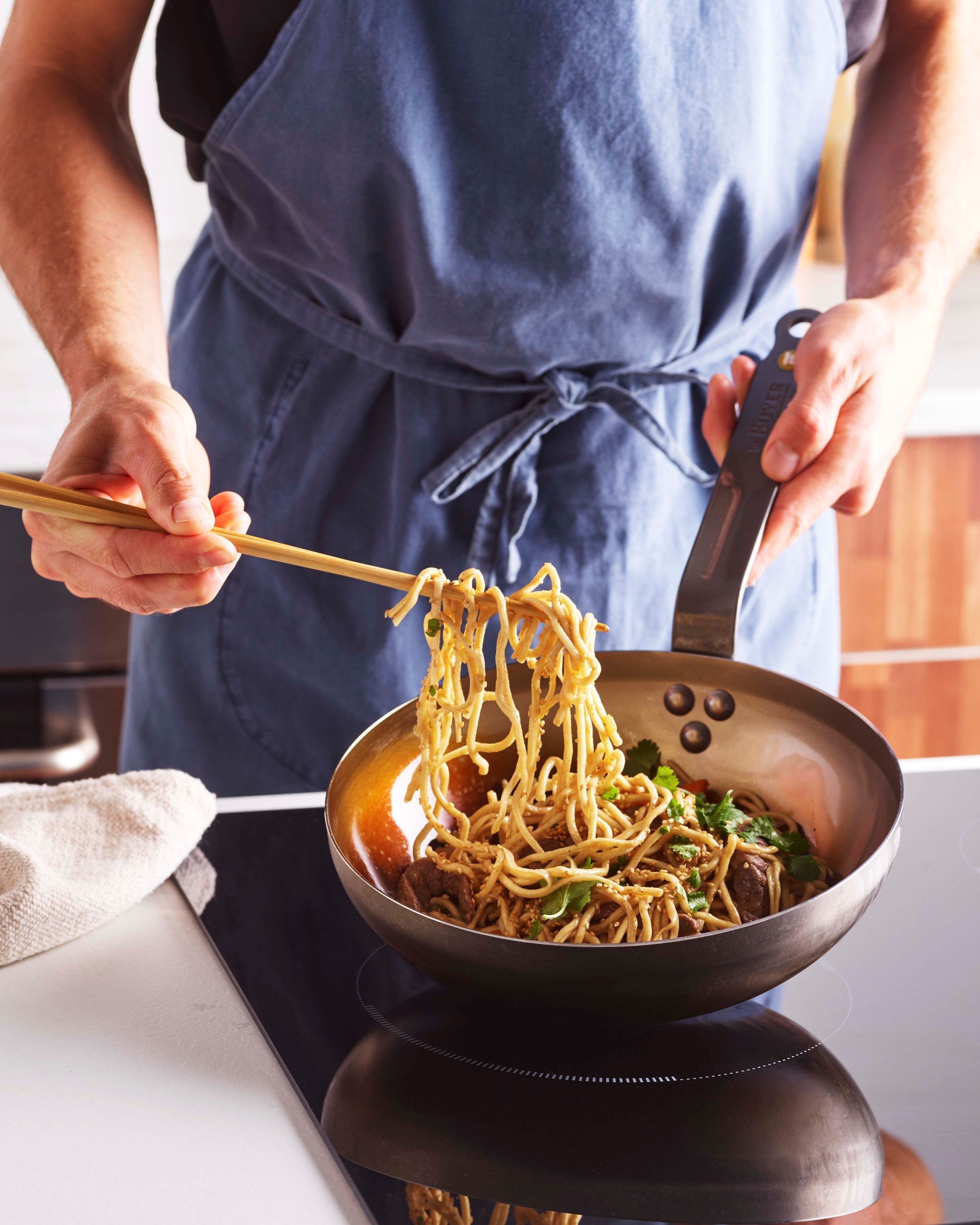
Smaller cookware requires less oil, preheats faster, is easier to handle, and takes up less storage space. The right cookware, even smaller pans, can handle multiple tasks. For example, a good skillet can sear, sauté, and finish dishes in the oven.
Here’s what you actually need:
- One 8-10" fry pan or skillet (for most stovetop cooking)
- One small saucepan (for grains, sauces, soups)
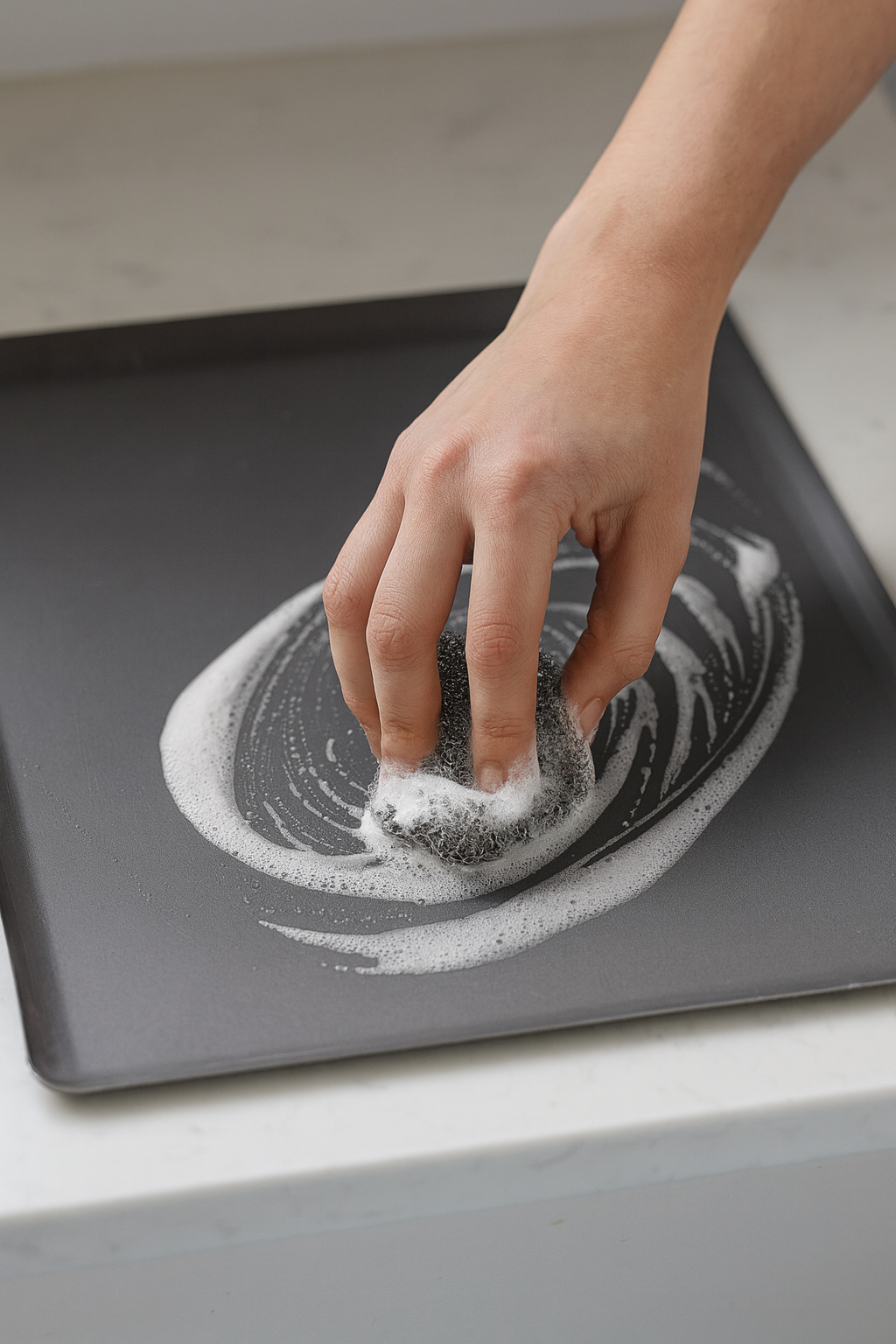
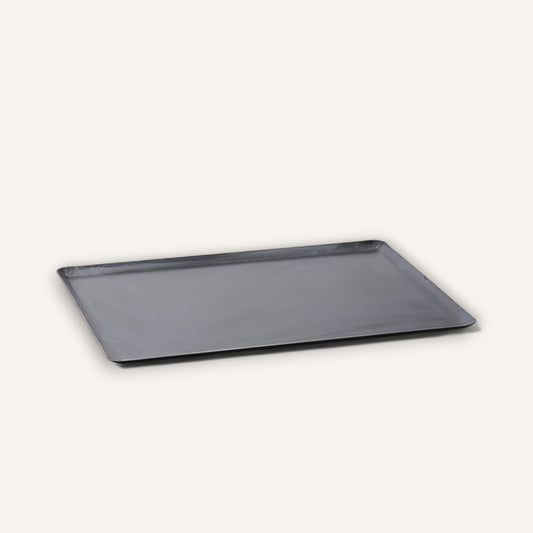
- One sheet pan (for roasting vegetables and proteins)
- Sharp knife and cutting board
- A few storage containers
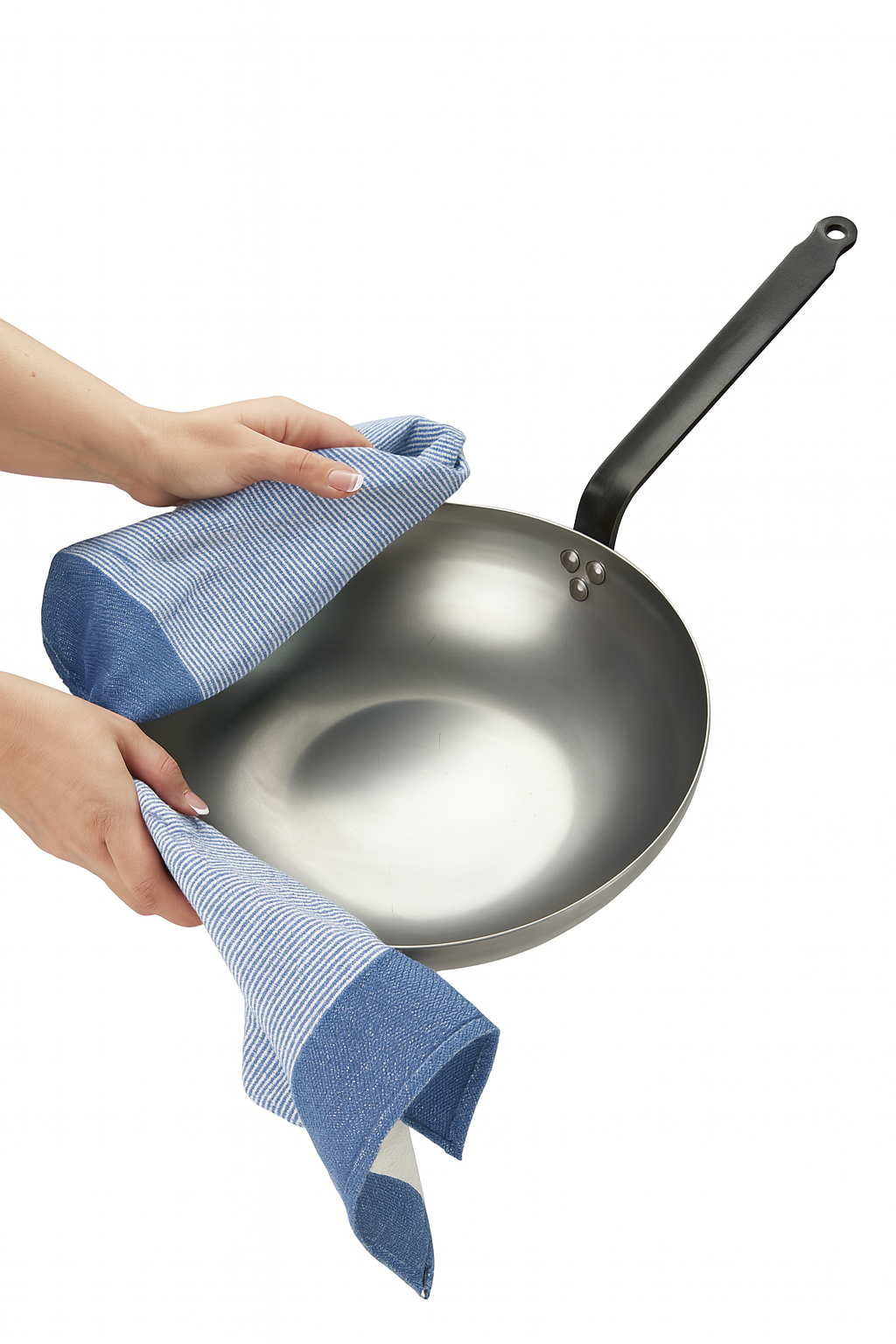
de Buyer best practices recommend an 8" and 9.5" carbon steel or stainless steel pan for solo cooking. These pans get you the perfect portion size and go from stovetop to oven without a problem.
Storage Solutions That Prevent Waste
Intentional, well-thought-out storage solutions extend ingredient life and prevent waste.
- Container Strategy: Invest in a few airtight, stackable containers in smaller, single-portion sizes for your leftovers or prepped ingredients.
- Label and Date Everything: Freezer items quickly become mystery packages, especially after frost settles in. Label with contents and date stored to prevent waste.
- Embrace the "Cook Once, Eat Twice" Method: Double a recipe and freeze half in individual portions for future lazy, no-cook nights.
-
Opened Ingredient Solutions:
- Leftover half onion: dice and freeze in ice cube trays with olive oil
- Extra tomato paste: freeze tablespoon-sized dollops on parchment
- Fresh herbs: store the roots in water, in a sunny area, like you would flowers
- Greens: wrap in damp towels
- Onions and garlic: keep in dark, cool spaces like your pantry
Quick Weeknight Recipes for One
Use these three recipes to spark ideas and save time when cooking solo.
Pan-Seared Chicken Thigh with Lemon and Herbs
This meal uses one pan, cooks in under 30 minutes, and is easily adaptable with different herbs and sides. Bone-in chicken thighs are one of the more affordable chicken cuts and freeze well.
Ingredients:
- 1-2 bone-in, skin-on chicken thighs
- 1 tablespoon olive oil
- 2 garlic cloves, smashed
- Fresh thyme or rosemary sprigs
- 2 tablespoons butter
- ½ lemon
- Salt and pepper
Instructions:
- Pat chicken dry, season generously with salt and pepper
- Heat an 8-10" skillet over medium-high heat, and add oil
- Place chicken skin-side down, cook undisturbed 6-7 minutes until golden and crispy
- Flip, add garlic, herbs, and butter to the pan. Baste with a spoon.
- Transfer pan to 400°F oven, roast 12-15 minutes until cooked through, internal temperature should reach 165°F
- Squeeze lemon over chicken, let rest 5 minutes
- Serve with roasted vegetables or over greens
One-Pan Vegetarian Fried Rice
This dish uses leftover rice and is ready in 15 minutes.
Ingredients:
- 1 cup cooked rice (day-old is best)
- 1 egg
- ½ cup mixed vegetables (frozen or fresh: peas, carrots, corn)
- 2 green onions, sliced
- 2 cloves garlic, minced
- 1 tablespoon soy sauce
- ~1 teaspoon sesame oil
- Neutral oil for cooking
Instructions:
- Heat the skillet over medium-high, add oil
- Scramble egg, remove and set aside
- Add vegetables and garlic, cook 2-3 minutes
- Add rice, breaking up clumps, and spreading into an even layer. Cook 3-4 minutes, flip halfway, until slightly crispy
- Return egg to pan, add sesame oil and soy sauce to taste, toss to combine
- Top with green onions
Simple Pasta with Garlic, Olive Oil, and Whatever You Have
This meal is pantry-friendly and infinitely adaptable based on what needs to be used up.
Ingredients:
- 3-4 oz pasta (about ¼ of a standard box)
- 3 tablespoons olive oil
- 4 garlic cloves, thinly sliced
- Red pepper flakes (optional)
- Parmesan cheese
- Salt and pepper
- Optional add-ins: cherry tomatoes, spinach, canned tuna, white beans, leftover roasted vegetables, chicken*
Instructions:
- Cook pasta according to package directions, make sure to salt the pasta water, and reserve ½ cup of pasta water before draining
- While pasta cooks, heat olive oil in a skillet over medium heat
- Add garlic, cook 1-2 minutes until fragrant and just golden (don't burn)
- Add cooked pasta, pasta water, and any optional add-ins
- Toss until combined, season with salt, pepper, and red pepper flakes
- Top with a sprinkling of Parmesan
*Each add-in cooks differently. Add delicate greens at the end and prepare a heartier portion separately.
Tips for Staying Motivated When Cooking Solo
It’s hard to stay motivated when you’re the only one in the kitchen. Use this guidance to stay excited and motivated.
- Make it Enjoyable, Not a Chore: Play music, pour a glass of your favorite drink, and treat cooking as a time to relax.
- Keep it Simple: A well-cooked piece of protein and roasted vegetables is a complete meal. There’s no need for complexity, especially on busy nights.
- Batch Prep Components: Chop vegetables on Sunday, cook a pot of rice, roast a chicken, and then you can assemble meals throughout the week.
- Set The Table: Even when eating alone, plating food nicely and sitting down makes the meal feel intentional.
- Try One New Recipe Per Month: Keeps things interesting without overwhelming yourself.
- Use Shortcuts: Pre-washed greens, rotisserie chicken, and jarred sauce are all perfectly acceptable ways to save time.
Cook for One, Cook Well
Cooking for one is a skill worth developing. It saves money and gives you full creative control. Start with the basics: shop smart, invest in the right-sized equipment, and embrace simple recipes that work for your lifestyle.
The goal isn't perfection—it's satisfying meals that fit your lifestyle and budget. Get the quality cookware you need at de Buyer. Cookware designed for single servings makes solo cooking faster and more enjoyable.
Ready to upgrade your solo cooking game? Explore de Buyer's cookware collection—French-made quality designed to make cooking for one a pleasure, not a chore.



Recommended for You
-
MINERAL B PRO Carbon Steel Fry Pan
$110.00 - $175.00Regular price $110.00Regular priceUnit price per$0.00Sale price $110.00 -
-
MINERAL B PRO Carbon Steel Omelette Pan
$130.00 - $145.00Regular price $130.00Regular priceUnit price per -
Protective Sleeve for Pan Handle
$12.50 USDRegular price $12.50Regular priceUnit price per -
-
MINERAL B Carbon Steel Omelette Pan
$85.00 - $120.00Regular price $85.00Regular priceUnit price per -
MINERAL B Carbon Steel Crepe Pan
$75.00 - $100.00Regular price $75.00Regular priceUnit price per -
MINERAL B Carbon Steel Egg & Pancake Pan
$50.00 - $60.00Regular price $50.00Regular priceUnit price per -
MINERAL B Carbon Steel Country Fry Pan
$125.00 - $185.00Regular price $125.00Regular priceUnit price per -
 Sold outSold out
 -
 Sold out
Blue Carbon Steel Baking Sheet
$45.00 - $55.00Regular price $45.00Regular priceUnit price per -
 Sold out
B BOIS Flexible Turner
$36.00 USDRegular price $36.00Regular priceUnit price per


