
A skillet and a frying pan are generally the same type of cookware: a wide, shallow pan with a flat cooking surface, flared sides and a long handle. “Pan,” however, is a broader term that can also describe sauté pans, saucepans, roasting pans and other cooking vessels.
If you are searching for a “skillet pan,” you are most likely looking for an everyday fry pan. The more useful question is not whether to buy a skillet or frying pan. It is which shape, material and size will work best for the food you cook.
Are skillets and frying pans the same?
In most kitchens and cookware stores, skillet and frying pan are interchangeable names. Both typically have:
- A broad, flat cooking surface
- Low, outward-sloping sides
- A long handle
- An open top, usually sold without a lid
The sloped sides make it easier to turn food with a spatula, slide an omelet onto a plate, toss vegetables and let moisture evaporate. That makes a skillet or fry pan a versatile choice for searing, browning, frying and sautéing.
The word “skillet” is sometimes associated with cast iron, particularly in American cooking, but a skillet can also be made from carbon steel, stainless steel, copper, aluminum or other materials.
Skillet vs. frying pan vs. sauté pan
A frying pan may be another name for a skillet, but a sauté pan has a meaningfully different shape. Here is the quick comparison:
| Pan type | Side shape | Best for | Choose it when |
|---|---|---|---|
| Skillet | Low and flared | Searing, browning, frying eggs, sautéing vegetables | You want a responsive, versatile everyday pan |
| Frying pan / fry pan | Low and flared | The same everyday tasks as a skillet | You see this name instead of “skillet”; the terms usually mean the same thing |
| Sauté pan | Straight and taller | Pan sauces, braising, shallow frying and recipes with more liquid | You need greater capacity, less splatter or a fitted lid |

In short: choose a skillet or fry pan for open, high-heat cooking and easy access to the food. Choose a sauté pan when straight sides, extra capacity and moisture control matter more.
What is a skillet used for?
A skillet is at its best when food benefits from direct contact with a hot cooking surface and excess moisture needs to escape. Common uses include:
- Searing meat: The broad cooking surface gives steaks, chops and chicken room to brown.
- Frying eggs: A well-seasoned carbon steel skillet develops a naturally easy-release cooking surface over time.
- Sautéing vegetables: Flared sides make stirring and tossing easier while allowing steam to escape.
- Cooking fish: A properly preheated pan helps create a crisp exterior.
- Making omelets and crêpes: The low rim makes it easier to turn or slide delicate food from pan to plate.
- Stovetop-to-oven cooking: An oven-safe skillet can move from searing on the burner to finishing in the oven.
For soups, deep sauces or liquid-heavy braises, a skillet’s low sides may not provide enough capacity. A saucepan, sauté pan, stew pan or stockpot will usually be a better fit.

How to choose the best skillet material
Shape determines how a skillet handles food. Material determines how it heats, responds and needs to be maintained.
| Material | Strengths | Considerations | Best for |
|---|---|---|---|
| Carbon steel | Excellent for high-heat searing; responsive to temperature changes; develops a natural patina | Requires seasoning, thorough drying and protection from prolonged moisture | Cooks who want professional-level browning and a pan that improves with use |
| Stainless steel | Durable, versatile and well suited to browning followed by deglazing | Needs proper preheating and enough cooking fat to reduce sticking | Pan sauces, acidic ingredients and everyday cooking with straightforward care |
| Cast iron | Strong heat retention and durability | Heavy and slower to respond when the heat changes; requires seasoning unless enameled | Long sears, frying and recipes where retained heat is an advantage |
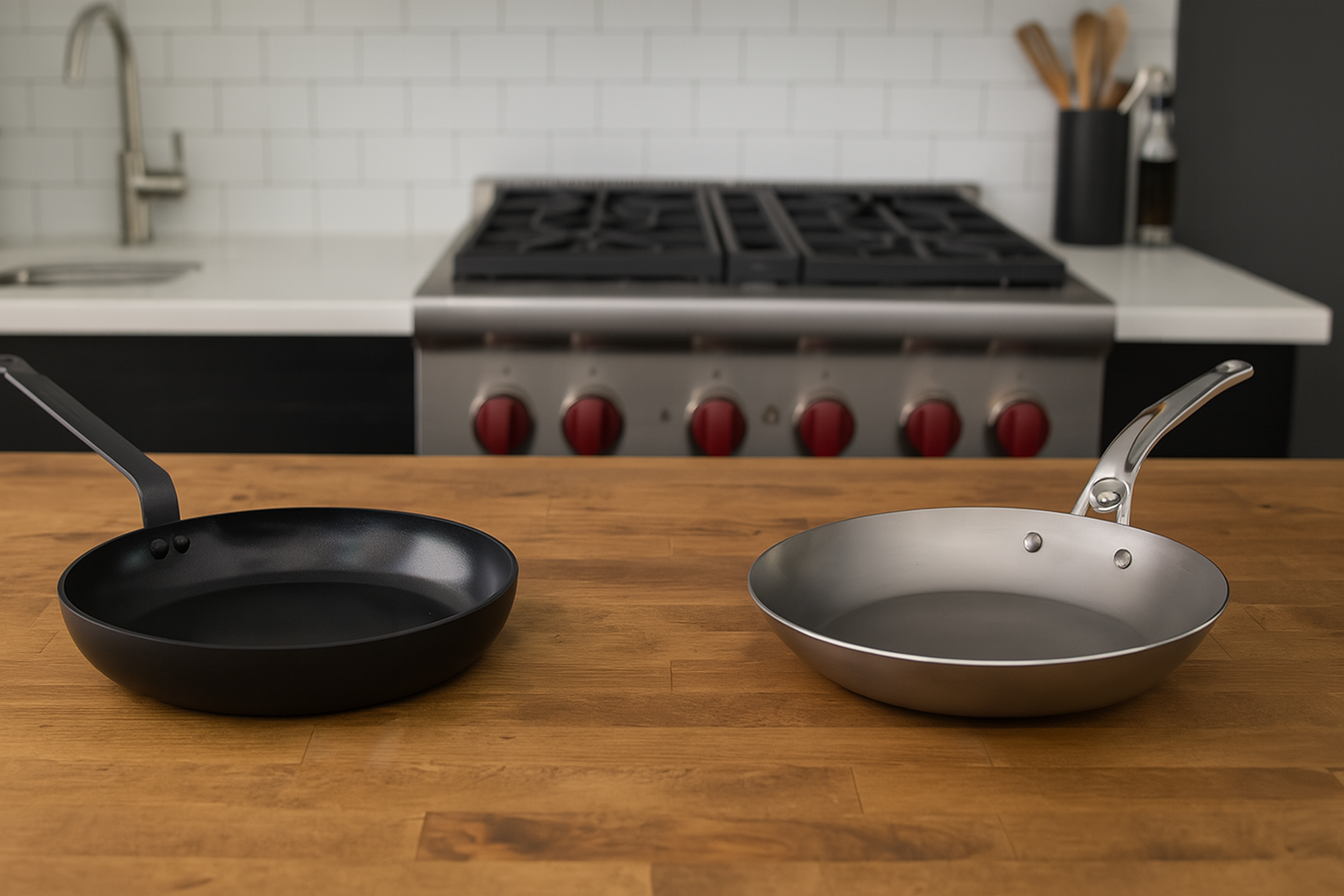
| Ceramic nonstick | Easy food release and convenient cleanup | Best used according to the maker’s heat and utensil guidance | Eggs, delicate foods and cooks prioritizing simple release |
Which skillet should you buy?
Start with the way you cook most often. These recommendations narrow the choice:
Choose carbon steel for searing, browning and high-heat versatility
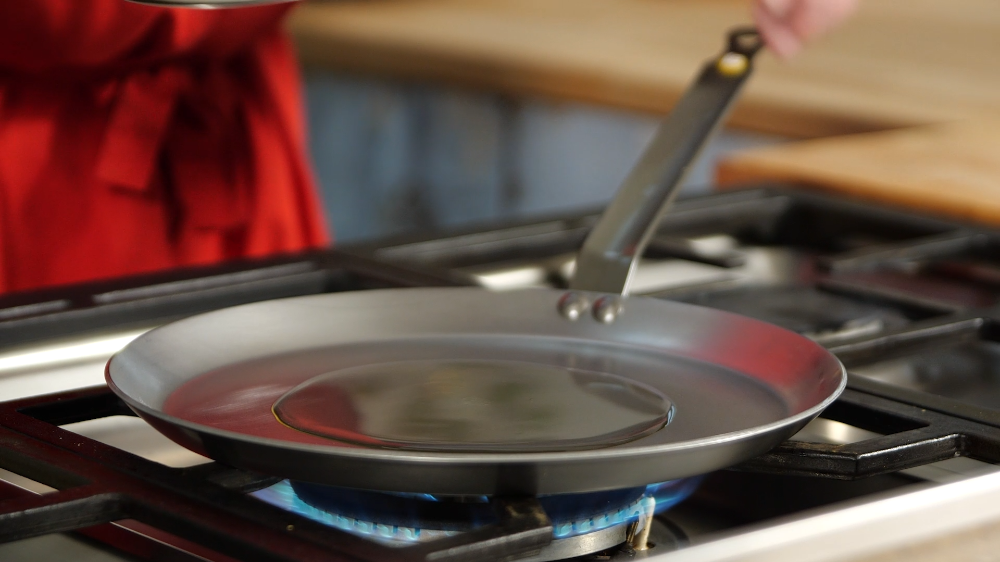
A carbon steel skillet is an excellent everyday choice for steak, chicken, vegetables, eggs and other foods that benefit from responsive heat. de Buyer carbon steel fry pans are made in France from 99% iron and 1% carbon, without an artificial nonstick coating. Seasoning gradually builds a dark patina and an increasingly easy-release cooking surface.
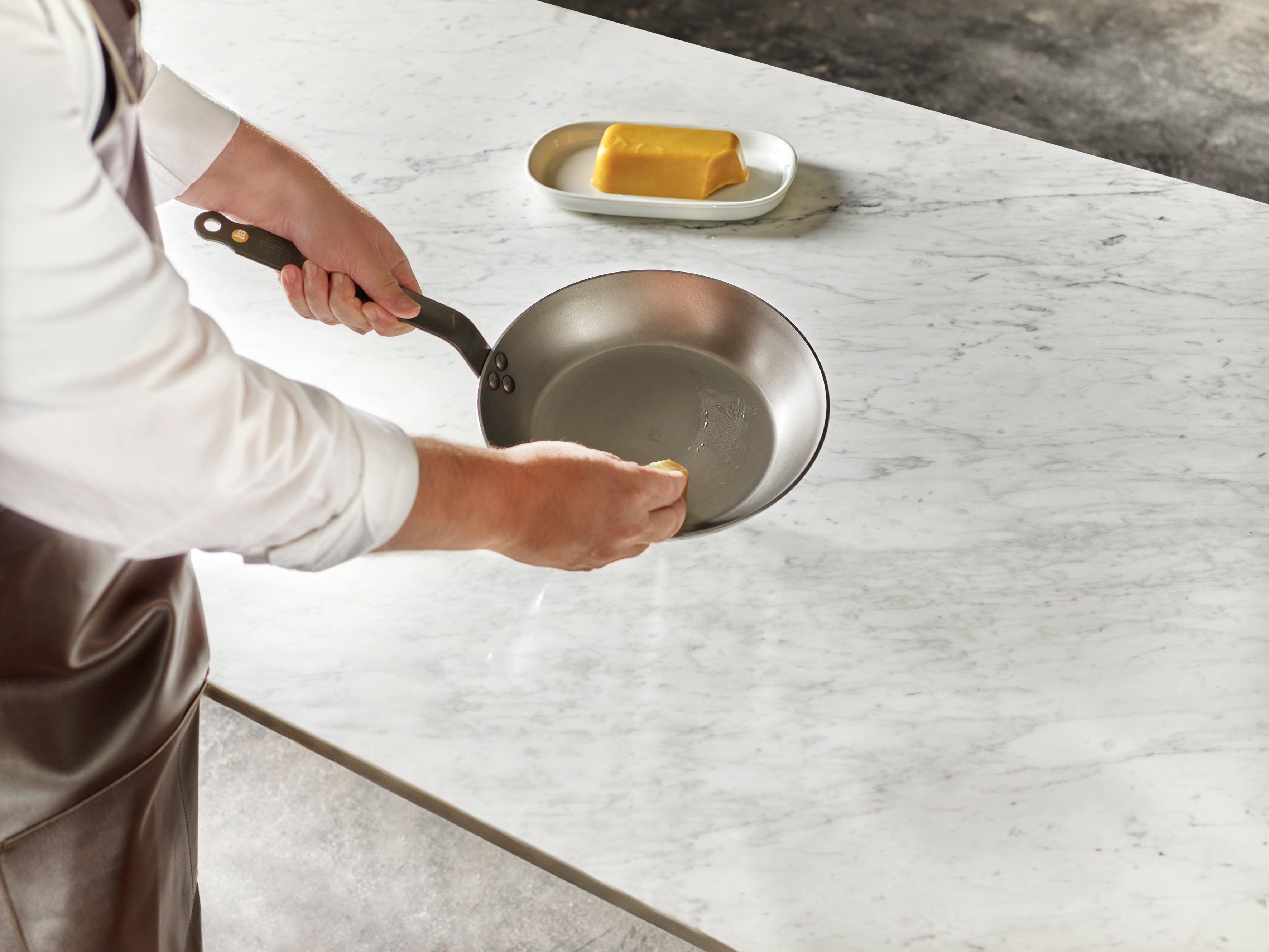
Carbon steel does require a care routine: season it, dry it promptly after cleaning and apply a light coat of oil before storage when needed. If you want low-maintenance cooking with acidic sauces, stainless steel may be the better match.
Choose stainless steel for pan sauces and uncomplicated maintenance
A stainless steel skillet is a strong choice when you frequently cook tomatoes, wine-based sauces or other acidic ingredients. It is also ideal for building fond and deglazing the pan into a sauce. Multi-ply construction helps distribute heat across the cooking surface.
Choose ceramic nonstick for delicate foods and easy release
A ceramic nonstick skillet suits cooks who prioritize easy release for eggs, fish and other delicate foods. Follow the product’s temperature, utensil and cleaning guidance to help protect the cooking surface.
Which de Buyer carbon steel skillet is right for you?
de Buyer offers three carbon steel fry pan collections. Each provides the high-heat performance and evolving patina associated with carbon steel, with differences in construction, handle design and price point.
| Collection | Best for | Key distinction | Shop |
|---|---|---|---|
| Blue Carbon Steel | First-time carbon steel buyers and cooks who want an accessible starting point | The essential carbon steel collection at a lower entry price |
Blue Carbon Steel Fry Pan |
| MINERAL B Classic | Traditional carbon steel cooking and everyday stovetop use | Epoxy-coated steel handle and beeswax finish for protection during transit; oven flash use only, up to 400°F for less than 10minutes |
MINERAL B Carbon Steel Fry Pan |
| MINERAL B PRO | Cooks who want carbon steel performance with greater oven versatility | Ergonomic cast stainless steel handle and full oven-safe construction | MINERAL B PRO Carbon Steel Fry Pan |
Our all-around recommendation: choose MINERAL B PRO if you regularly finish dishes in the oven. Choose MINERAL B Classic for traditional stovetop carbon steel performance. Choose Blue Carbon Steel if you want to begin cooking with carbon steel at a more accessible price.
What skillet size should you buy?
Pan size refers to the diameter measured across the top rim, not the flat cooking surface. Because skillet sides flare outward, the usable cooking area is smaller than the listed diameter.
- 8-inch skillet: Best for one egg, a single portion or small tasks such as browning butter.
- 9.5- to 10.25-inch skillet: A versatile choice for one or two people and everyday meals.
- 11- to 12.5-inch skillet: Better for two to four people, several portions of protein or vegetables that need room to brown.
- 14-inch skillet: Suited to large batches, entertaining and meals for four or more people.
A pan that is too crowded traps steam and makes browning more difficult. When deciding between two sizes, consider the diameter of your burner, available storage, pan weight and how many portions you usually cook. See our guide to choosing the right fry pan size for more help.
Frequently asked questions
Is a skillet a pan?
Yes. A skillet is a type of pan with a flat base, shallow depth and flared sides. “Pan” is the broader category.
Is a skillet the same as a frying pan?
Usually, yes. Cookware makers and cooks commonly use “skillet,” “frying pan” and “fry pan” for the same low, flared cooking vessel.
What is the difference between a skillet and a sauté pan?
A skillet has low, sloped sides that make turning food and releasing steam easier. A sauté pan has taller, straight sides that provide more capacity and help contain liquid and splatter. Sauté pans also commonly include a lid.
Can you put a skillet in the oven?
It depends on the pan’s material, handle and manufacturer guidance. The MINERAL B PRO Carbon Steel Fry Pan has a cast stainless steel handle and is oven-safe. MINERAL B Classic pans are intended only for brief oven use at a maximum of 400°F for less than 10 minutes. Always check the specifications for your exact pan before putting it in the oven.
Does a carbon steel skillet need to be seasoned?
Yes. Seasoning bonds a thin layer of oil to the cooking surface, helping build the dark patina and natural easy-release performance associated with carbon steel. Learn the process in our carbon steel seasoning guide.
The bottom line
A skillet and a frying pan are usually two names for the same essential piece of cookware. Focus your decision on the details that change performance: sloped versus straight sides, cooking material, usable surface area, handle construction and oven compatibility.
For responsive heat, exceptional searing and a cooking surface that develops character with every use, explore de Buyer’s fry pans and skillets, made in France by a company crafting cookware since 1830.


Recommended for You
-
MINERAL B PRO Carbon Steel Fry Pan
8"
9.5"
11"
12.5"
$110.00 - $175.00Regular price $110.00Regular priceUnit price per$0.00Sale price $110.00 -
MINERAL B Classic Carbon Steel Fry Pan
8"
9.5"
10.25"
11"
12.5"
14"
$75.00 - $165.00Regular price $75.00Regular priceUnit price per -
MINERAL B PRO Carbon Steel Omelette Pan
9.5"
11"
$130.00 - $145.00Regular price $130.00Regular priceUnit price per -
Protective Sleeve for Pan Handle
Default Title
$12.50 USDRegular price $12.50Regular priceUnit price per -
Blue Carbon Steel Fry Pan
8"
9.5"
10.25"
11"
12.5"
$60.00 - $95.00Regular price $60.00Regular priceUnit price per -
MINERAL B Carbon Steel Omelette Pan
8"
9.5"
11"
$85.00 - $120.00Regular price $85.00Regular priceUnit price per -
MINERAL B Carbon Steel Crepe & Tortilla Pan
9.5"
10.25"
12"
$75.00 - $100.00Regular price $75.00Regular priceUnit price per -
Blue Carbon Steel Crepe & Tortilla Pan
7"
8"
9.5"
$30.00 - $50.00Regular price $30.00Regular priceUnit price per -
MINERAL B Carbon Steel Egg & Pancake Pan
4.75"
5.5"
$50.00 - $60.00Regular price $50.00Regular priceUnit price per -
MINERAL B Carbon Steel Country Fry Pan
9.5"
11"
12.5"
$125.00 - $185.00Regular price $125.00Regular priceUnit price per -
 Sold out
B BOIS Crepe Spatula
Default Title
$10.00 USDRegular price $10.00Regular priceUnit price per -
 Sold out
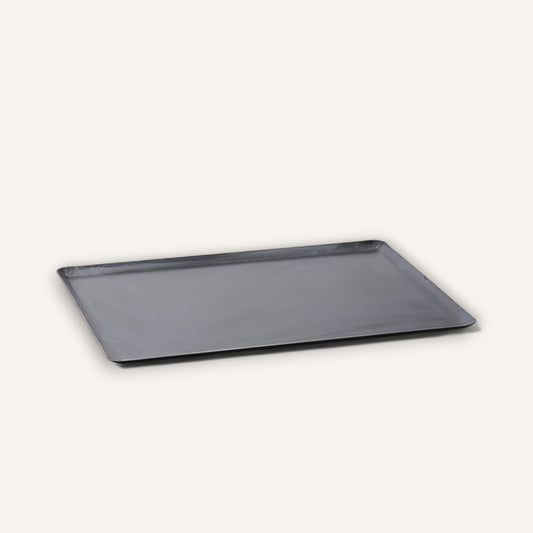
Blue Carbon Steel Baking Sheet
15.75" X 11.8"
23.6" X 15.75"
$45.00 - $55.00Regular price $45.00Regular priceUnit price per


