
Best Carbon Steel Cookware 2026: Professional Guide
A truly exceptional pan is not merely a tool; it is a living partner in your culinary evolution. While modern kitchens are often cluttered with disposable convenience, the quest for the best carbon steel cookware represents a return to authenticity and enduring performance. You likely crave the incomparable sear of a professional kitchen, yet the path to achieving it often feels obscured by technical jargon. Whether you are paralyzed by the choice between the heat-treated resilience of Blue Carbon Steel and the beeswax-protected Mineral B, or you fear for the structural integrity of your vessel on an induction range, your concerns are valid. Precision in the kitchen begins with absolute confidence in your equipment.
We believe that a master craftsman is only as effective as their tools. This guide promises to demystify the selection process, allowing you to discover the perfect carbon steel pan for your style. By examining the nuances of material thickness and ergonomic design, we will help you secure an heirloom that develops a natural nonstick patina over decades. We shall explore the essential differences in gauge and finish that transform forged steel into a lifetime companion.
Key Takeaways
- Gain clarity on why the best carbon steel cookware serves as the ultimate hybrid, offering the searing power of cast iron with the thermal responsiveness of stainless steel.
- Identify the critical importance of pan thickness, learning why a 2.5mm to 3mm gauge is essential for preventing warping on modern induction surfaces.
- Distinguish between the Mineral B PRO, Mineral B Classic, and Blue Carbon Steel collections to select the handle and finish that best suit your culinary style.
- Master the art of seasoning through polymerization to develop a natural, chemical-free nonstick surface that evolves with every meal you prepare.
- Connect with a nearly two-century legacy of French craftsmanship, ensuring your choice of cookware transitions from a professional tool to a cherished heirloom.
Table of Contents
- The Rise of Carbon Steel: Why It Is the Professional Choice for 2026
- Understanding Metallurgy: What Makes the Best Carbon Steel Cookware?
- Comparing the Collections: MINERAL B, PRO, and Blue Carbon Steel
- The Art of the Patina: Mastering Seasoning and Maintenance
- Why de Buyer Remains the Artisan Standard Since 1830
The Rise of Carbon Steel: Why It Is the Professional Choice for 2026
The professional kitchen is a theater of high pressure and absolute precision. In this environment, the choice of a pan isn't just a preference; it's a strategic decision that dictates the quality of every plate. Carbon steel has long been the foundational secret of the culinary elite, but 2026 marks its definitive rise in the domestic sphere. As home cooks move away from the disposable nature of modern manufacturing, they're rediscovering the best carbon steel cookware as a return to authentic, high-performance craftsmanship.
To appreciate its dominance, one must first understand the material. What is Carbon Steel? At its core, it's an alloy of iron and carbon, forged to offer the thermal mass of cast iron without its cumbersome weight. It represents the perfect metallurgical hybrid. It provides the rugged durability required for high-heat searing while maintaining the nimble responsiveness of stainless steel. It's a tool that works with the chef, not against them. The visual transformation is a hallmark of this material. What begins as a shimmering silver surface eventually matures into a deep, matte black patina. This isn't damage; it's a hard-earned organic layer that creates a natural nonstick surface.
Professional kitchens rely on this material because it bridges the gap between raw power and culinary finesse. You can achieve a crust on a dry-aged ribeye that's deep and uniform, then immediately adjust the heat to gently baste a delicate piece of trout. It responds to your flame with surgical precision. Carbon steel is inherently naturally non-stick. It doesn't rely on synthetic chemicals. Instead, it uses the science of heat and oil to create its own protection.
Carbon Steel vs. Cast Iron: A Practical Comparison
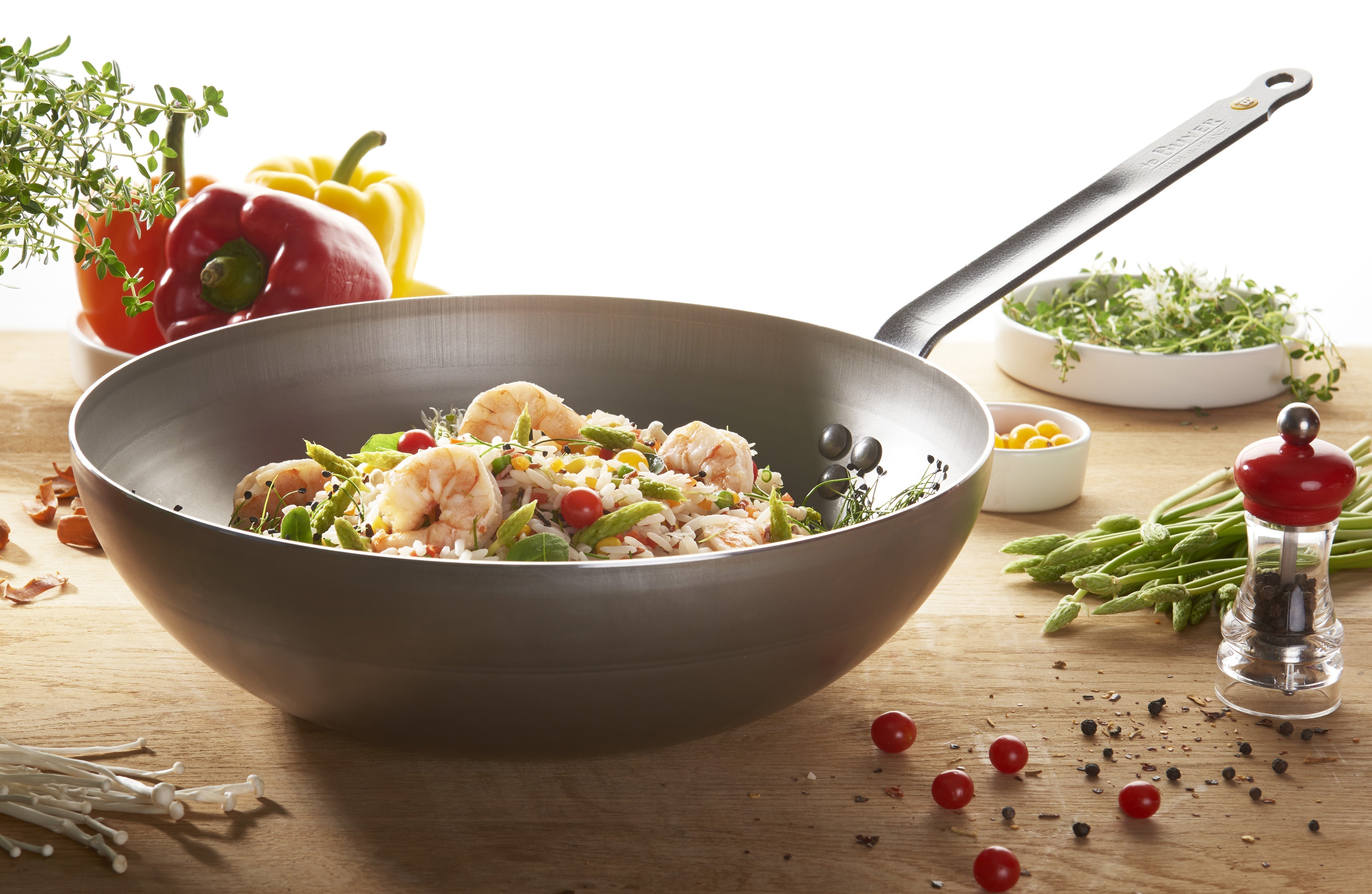
While cast iron is revered for its heat retention, it often lacks the maneuverability required for active cooking techniques. Carbon steel is significantly lighter, allowing for the effortless flipping of a MINERAL B Carbon Steel Omelette Pan or the vigorous tossing of a Blue Carbon Steel Wok. Its thermal conductivity is superior, meaning it heats up faster and cools down more quickly when removed from the burner. This prevents the carry-over cooking that often ruins sensitive proteins, granting you total control over the pan's temperature. For those seeking the best carbon steel cookware, this balance of weight and speed is the defining advantage.
Understanding Metallurgy: What Makes the Best Carbon Steel Cookware?
The soul of a pan resides in its composition. While the surface provides the stage for the culinary arts, the underlying structure determines the longevity of the performance. Selecting the best carbon steel cookware requires an appreciation for the balance between thickness and responsiveness. A pan that's too thin will fail under the stress of high heat, while one that's excessively heavy loses the agility that defines the medium. It's a delicate dance of physics that separates a professional tool from a generic substitute.
The chemical composition is equally vital. When we examine the metallurgy of high-carbon steel, we find that the specific ratio of carbon to iron dictates surface hardness. This isn't merely about durability. A higher carbon content creates a microscopic texture that allows the seasoning to bond more effectively. This creates a superior foundation for the polymerization process. It's the difference between a coating that flakes and a patina that becomes part of the metal itself. A well-engineered pan feels substantial but remains balanced in the hand, thanks to handles designed to act as a counterweight to the body's mass.
Why Thickness Matters on Induction Cooktops
The rise of induction technology has changed the requirements for modern cookware. Magnetic induction creates heat directly within the metal, a process that can cause thinner pans to "bow" or warp as the center expands faster than the edges. A gauge of 2.5mm to 3mm provides the structural integrity needed to resist this thermal stress. A 3mm base ensures even heat distribution across the entire surface, eliminating the hot spots that plague lesser tools. This thickness also provides enough thermal mass to maintain temperature when a cold steak hits the surface, preventing the "boiling" effect that ruins a good sear. You can experience this commitment to quality firsthand by exploring our professional-grade carbon steel collections.
Comparing the Collections: MINERAL B, PRO, and Blue Carbon Steel
Selecting the best carbon steel cookware involves more than just picking a material; it's about choosing the right interface between you and the flame. While our foundational metallurgy remains consistent across our French-made lines, the ergonomic details and thermal treatments define their specific roles in your kitchen. Whether you're looking for a stovetop workhorse or a pan that can survive a high-heat oven finish, understanding these distinctions is essential for your culinary success.
The choice between collections often comes down to your intended technique. The Mineral B Classic, for instance, is the quintessential tool for those who appreciate traditional French craftsmanship. This line includes specialized geometry, such as the MINERAL B Carbon Steel Omelette Pan, which features high, rounded sides to facilitate the perfect roll. For those who require more versatility in their cooking vessels, the MINERAL B PRO Carbon Steel Fry Pan offers an elevated experience that bridges the gap between professional rigor and domestic elegance.
Mineral B vs. Mineral B PRO: Which Handle is Right for You?
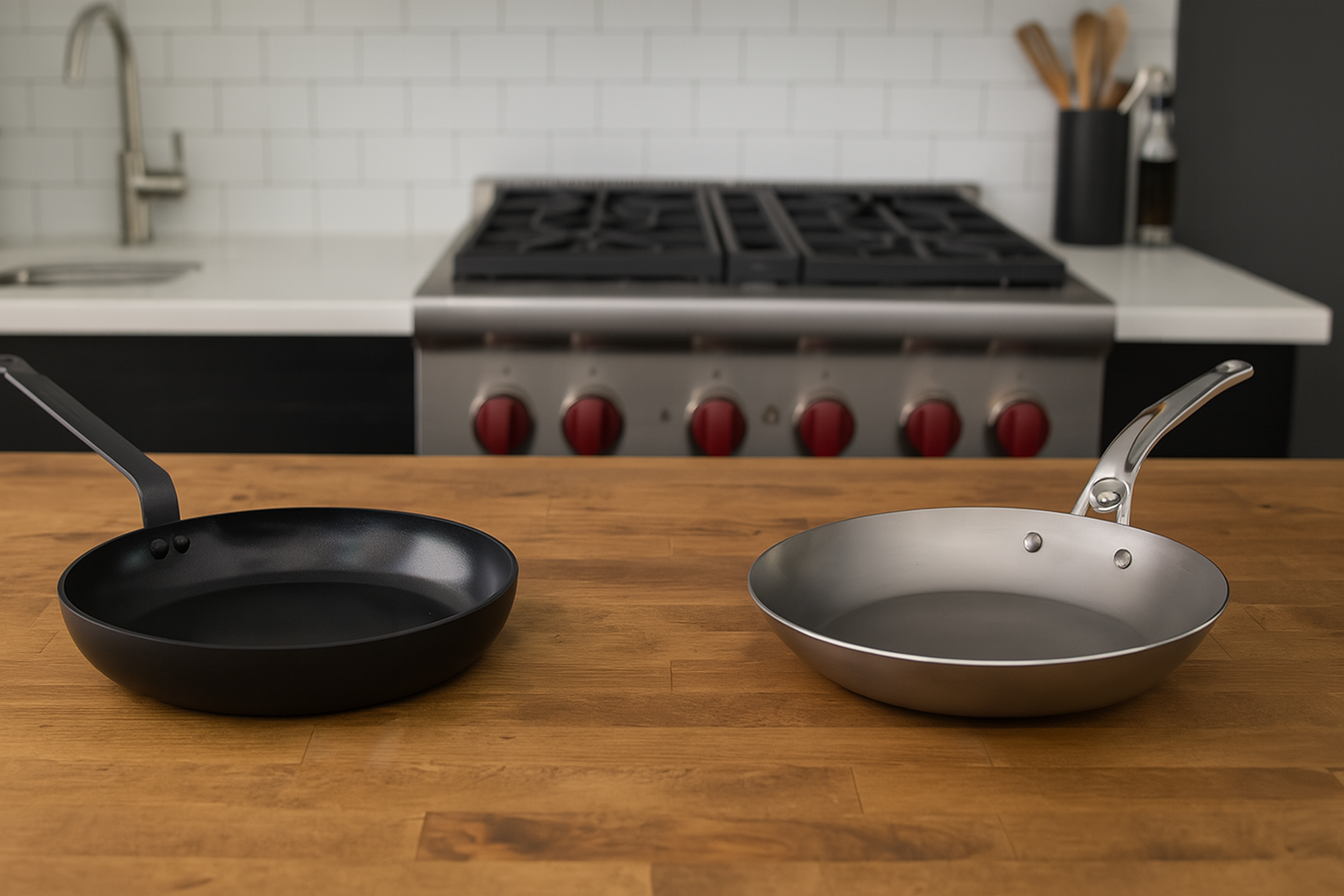
The primary differentiator between these two signature lines is the handle engineering and its subsequent oven safety. The Mineral B Classic features a traditional epoxy-coated steel handle. It's designed for authentic French technique but is rated for oven use only up to 10 minutes at 400°F. This makes it ideal for quick finishes rather than long roasts. In contrast, the PRO series utilizes a cast stainless steel "Signature" handle. This handle remains cooler on the stovetop and offers unlimited high-heat oven use. It's a stovetop showpiece that doesn't compromise on performance, making it the superior choice for those who frequently transition from sear to roast.
When to Choose Blue Carbon Steel
For tasks that require constant movement and high-toss techniques, Blue Carbon Steel is the artisan's choice. These pans undergo a specific heat-treatment process that creates a blue surface oxidation, providing a temporary layer of rust resistance before you even begin the seasoning process. Because these pans typically feature a slightly thinner gauge, they offer incredible maneuverability. This makes them the perfect candidate for a Blue Carbon Steel Wok or a Blue Carbon Steel Crepe & Tortilla Pan. If you're looking for a tool that responds instantly to temperature shifts and feels light in the hand during a vigorous stir-fry, this specialized line is your ideal match.

The Art of the Patina: Mastering Seasoning and Maintenance
The journey of a carbon steel pan is one of constant transformation. Unlike synthetic coatings that degrade from the moment of their first use, the surface of a professional-grade pan improves with every meal you prepare. This evolution is driven by polymerization, a chemical process where liquid fats are transformed into a hard, slick, and insoluble solid layer. Achieving the performance of the best carbon steel cookware requires you to move beyond seeing your pan as a static object. Instead, you must treat it as a living tool that reflects your mastery of heat and oil.
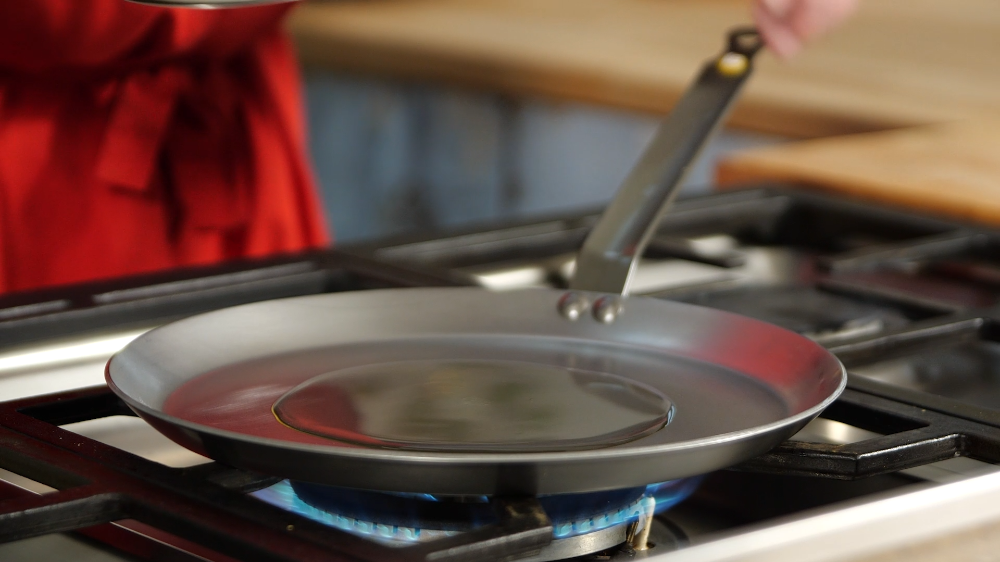
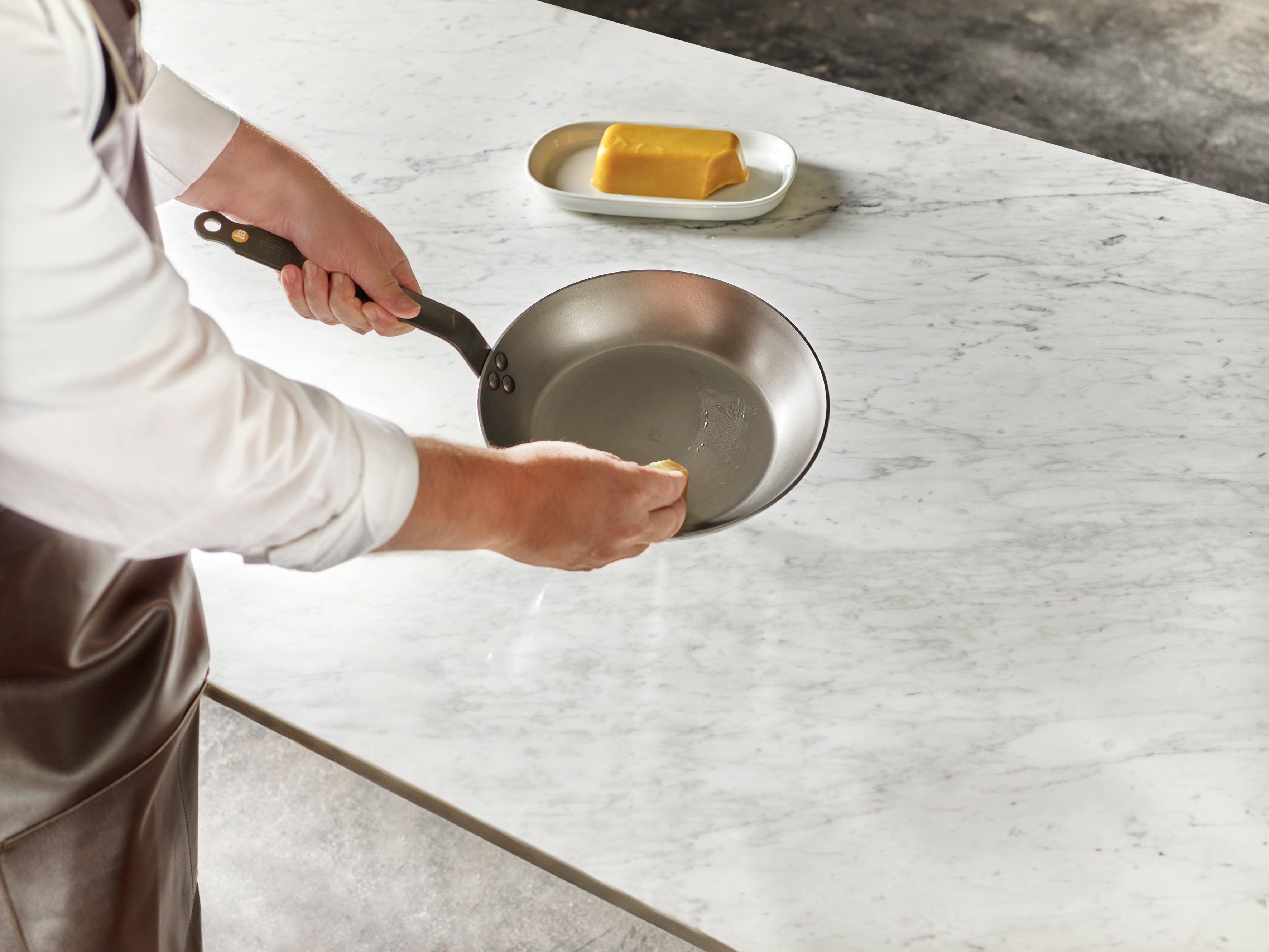
Your first encounter with a new MINERAL B pan involves a simple but vital ritual. After removing the protective beeswax coating with very hot water, you must perform the initial seasoning. Pour a thin layer of oil into the pan, just enough to coat the bottom, and heat it until it begins to smoke. Once it reaches this stage, let it cool and wipe away the excess. You'll notice the silver surface beginning to take on a golden hue. Don't be alarmed by a mottled or uneven appearance as you continue to cook. A dark, patchy, and even "ugly" pan is the hallmark of a well-seasoned tool. Over time, these patches will merge into a deep, obsidian patina that offers a natural nonstick release.
Choosing the Right Seasoning Oil
Success in seasoning depends entirely on the stability of your chosen fat. You require an oil with a high smoke point and a high concentration of unsaturated fats to ensure a durable bond. Grapeseed, sunflower, or refined avocado oils are the preferred choices for the modern kitchen. While some enthusiasts suggest flaxseed oil for its hardness, it's prone to flaking under the stress of daily cooking. We define the point of smoke as the critical moment when the oil's molecular structure breaks down and bonds with the metal, initiating polymerization. Using a stable oil ensures this bond remains resilient rather than brittle.
Troubleshooting Common Carbon Steel Issues
Even the most seasoned chef encounters occasional setbacks with their equipment. If your pan feels tacky or sticky to the touch, you've likely applied too much oil during the seasoning process. This is easily corrected by scrubbing the surface with coarse salt and a little heat to strip the excess residue. If you accidentally cook acidic ingredients like tomatoes or wine, you might notice the seasoning thinning or spotting. Simply repeat the stovetop seasoning method to restore the surface. Flash rust, which can appear if a pan is left to air-dry, is a minor cosmetic issue. A quick scrub with a scouring pad followed by an immediate application of oil will resolve the problem in under two minutes.
Daily care is remarkably straightforward. Avoid the dishwasher and harsh detergents, which will strip the hard-earned oils from the pores of the metal. Instead, rinse the pan with hot water and use a stiff brush to remove food particles. Dry the pan thoroughly over a warm burner to ensure every trace of moisture is evaporated. A final, microscopic coating of oil before storage will protect the patina and prepare the metal for its next culinary transformation. This disciplined approach is what separates a temporary kitchen gadget from a tool that lasts a lifetime.
Why de Buyer Remains the Artisan Standard Since 1830
True excellence is measured by the passage of time. Since 1830, our workshop in the Vosges region of France has remained a sanctuary for traditional metallurgy and artisanal precision. This isn't merely a factory; it's the birthplace of tools that have defined French culinary history for nearly two centuries. When you hold a de Buyer pan, you're connecting with a legacy of makers who have refined the art of forged steel through generations of industrial evolution. Our commitment to heirloom manufacturing ensures that every piece we produce is designed to outlast the kitchen it serves.
Professional pedigree is earned through performance under pressure. Michelin-starred kitchens across the globe rely on our equipment because it delivers the unwavering consistency required at the highest levels of the craft. In these high-stakes environments, the best carbon steel cookware must offer more than just a surface; it must provide a reliable extension of the chef's own hand. We've spent nearly 200 years perfecting the intersection of functional utility and aesthetic beauty, creating tools that are as visually striking as they are technically superior. This dedication to quality is why we remain the definitive choice for those who refuse to compromise on their culinary potential.
From the Professional Kitchen to the Home Chef
We believe that the standards of the professional world should be accessible to every dedicated home cook. Our design philosophy focuses on translating heavy-duty performance into a format that thrives on domestic stovetops. We act as a trusted culinary mentor, providing you with the technical specifications and the guidance needed to master high-heat techniques at home. Whether you're searing a delicate protein or roasting in a high-heat oven, our signature Mineral B PRO collection offers the ergonomic comfort and thermal stability required for professional results in a domestic setting.
The de Buyer Family of Brands
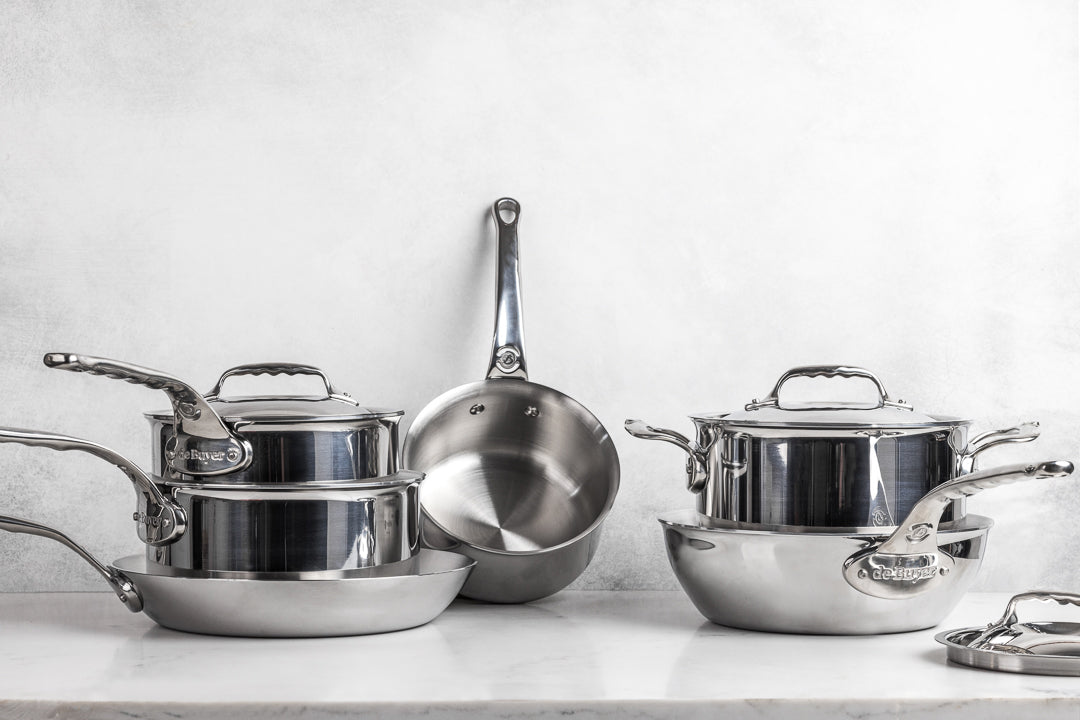
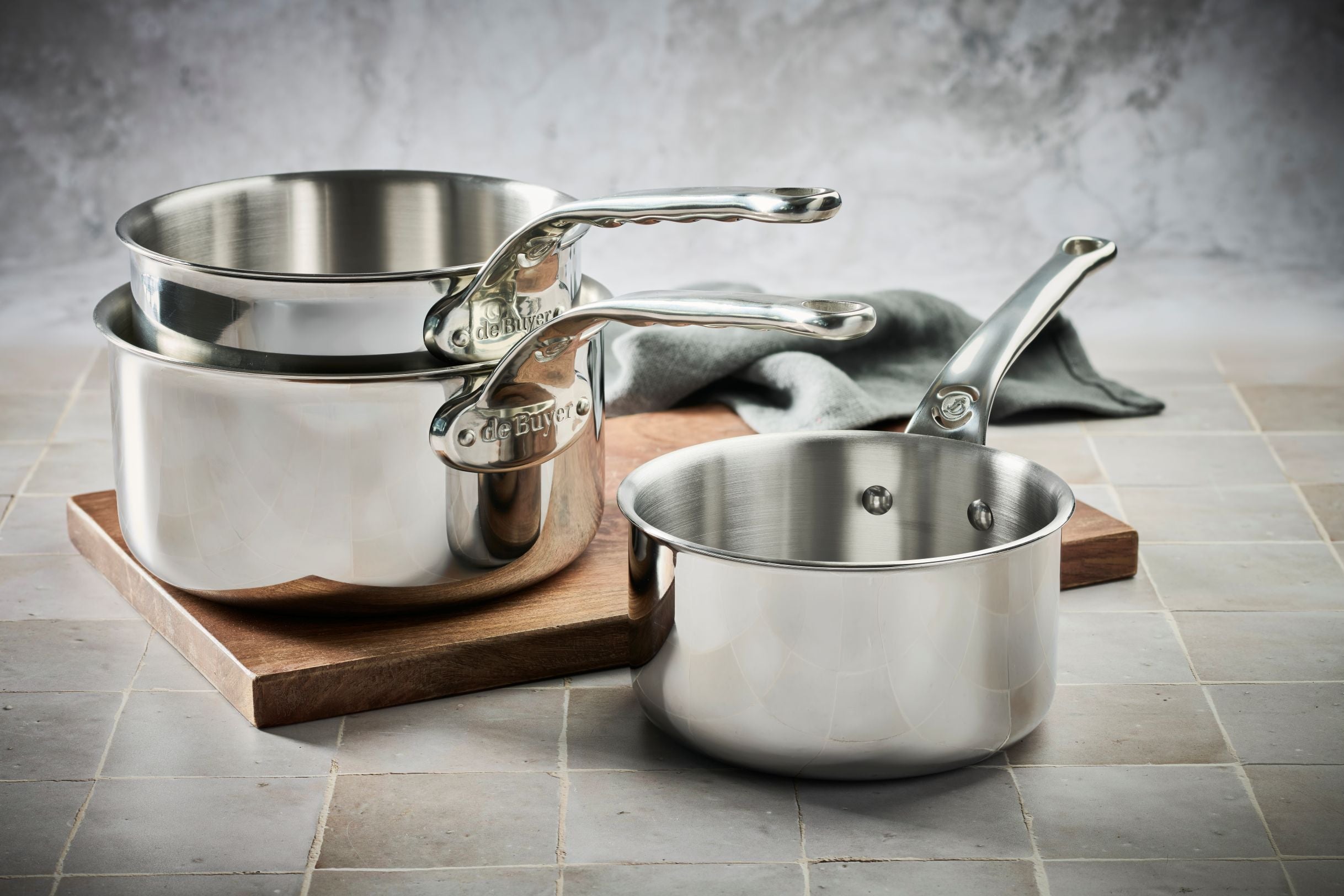
While carbon steel is the heart of our heritage, a complete kitchen requires a diverse toolkit of specialized materials. We complement our steel offerings with Affinity 5-ply Stainless Steel for acidic sauces and hand-hammered Copper for the ultimate in temperature control. Building a high-performance kitchen is a journey of selecting the right tool for every specific task, ensuring that your equipment never limits your creativity. By choosing a brand with nearly two centuries of expertise, you're investing in a lifetime of shared joy around a well-prepared meal. When you're ready to elevate your culinary practice, Explore the full Carbon Steel Collection and discover the best carbon steel cookware for your unique style.
Forge Your Culinary Legacy
Choosing a pan is a significant investment in your culinary future. By mastering the nuances of heavy-gauge metallurgy and the patient ritual of seasoning, you've transitioned from a cook to a custodian of craft. The best carbon steel cookware isn't simply purchased; it's earned through the heat of the flame and the development of a deep, obsidian patina. This is a living tool that captures the soul of every dish you prepare, evolving alongside your skills to become a more effective partner with every passing year.
We invite you to join a legacy that began in the Vosges region in 1830. With over 15,000 5-star reviews and a pedigree established in professional kitchens worldwide, our tools represent the pinnacle of French engineering. It's time to bring that same precision and heritage to your own stovetop. Embrace the evolution of your cooking and experience the profound difference that authentic, artisan-made steel provides to your daily practice.
Shop the Best Carbon Steel Cookware at de Buyer USA and begin your journey toward a lifetime of exceptional meals. Your kitchen deserves a tool that will never need replacing.
Frequently Asked Questions
Is carbon steel better than cast iron for daily cooking?
Carbon steel is often preferred for daily cooking because it offers the searing capabilities of cast iron with significantly less weight and faster thermal responsiveness. While both materials require seasoning, the smoother surface of carbon steel allows for a more refined release of delicate proteins. It's an agile tool that moves with the chef, making it the practical choice for high-heat sautéing and frequent kitchen use.
Can I use a carbon steel pan on an induction cooktop?
You can absolutely use carbon steel on induction cooktops, as the material is naturally ferromagnetic. To ensure the best carbon steel cookware performance on these high-efficiency surfaces, we recommend using a pan with a thickness of at least 2.5mm. This prevents the base from bowing due to the rapid, concentrated heat that induction generates. Always match the burner size to the pan base to ensure uniform expansion.
How do I get my carbon steel pan to be truly nonstick?
A truly nonstick surface is achieved through the repeated application of thin oil layers and consistent heat management. This process, known as polymerization, fills the microscopic pores of the metal to create a slick, durable barrier. Beyond seasoning, the secret lies in preheating your pan correctly. When the metal reaches the proper temperature, it creates a natural release that rivals synthetic coatings without the use of harmful chemicals.
Is the Mineral B PRO handle really stay-cool?
The Mineral B PRO handle is specifically engineered to remain cool to the touch during stovetop use. Crafted from cast stainless steel, its ergonomic shape and material properties significantly slow the transfer of heat from the pan's body to your hand. This design provides the safety and comfort required for long service hours, allowing you to move with confidence without the constant need for a kitchen towel or oven mitt.
Can I wash my carbon steel pan with soap?
You can use a small amount of mild dish soap for an occasional deep clean, but it's rarely necessary for daily maintenance. Harsh detergents and the abrasive environment of a dishwasher will strip the hard-earned seasoning you've built over time. For most cleanups, a simple rinse with very hot water and a stiff brush is sufficient. Always dry the pan immediately on a warm burner to prevent oxidation.
What should I do if my carbon steel pan starts to rust?
Rust is a surface-level issue that is easily corrected by scrubbing the affected area with a scouring pad or coarse salt. Once the oxidation is removed and the raw steel is visible, you must immediately dry the pan and apply a fresh layer of seasoning. This restores the protective barrier. To prevent future rust, never leave your pan to air-dry and always apply a microscopic coating of oil before storage.
Why is my carbon steel pan turning black?
Turning black is the desired outcome and a sign that your best carbon steel cookware is maturing correctly. This darkening is the visual evidence of the patina, a layer of carbonized oil that has bonded with the steel. As the pan transitions from silver to brown and eventually to a deep, matte black, its nonstick properties become more effective. It's the mark of a tool that's evolving with your cooking.
What are the best foods to cook in a brand new carbon steel pan?
High-fat foods are the ideal choice for a new pan because they contribute to the ongoing seasoning process. Searing steaks, frying potatoes in oil, or cooking bacon provides the consistent fat needed to strengthen the initial patina. Avoid acidic ingredients like tomatoes, wine, or citrus during the first few weeks of use. These substances can strip the young seasoning before it has had the chance to fully harden and bond.



Recommended for You
-
MINERAL B PRO Carbon Steel Fry Pan
8"
9.5"
11"
12.5"
$110.00 - $175.00Regular price $110.00Regular priceUnit price per$0.00Sale price $110.00 -
MINERAL B Classic Carbon Steel Fry Pan
8"
9.5"
10.25"
11"
12.5"
14"
$75.00 - $165.00Regular price $75.00Regular priceUnit price per -
MINERAL B PRO Carbon Steel Omelette Pan
9.5"
11"
$130.00 - $145.00Regular price $130.00Regular priceUnit price per -
 Sold out
Protective Sleeve for Pan Handle
Default Title
$12.50 USDRegular price $12.50Regular priceUnit price per -
Blue Carbon Steel Fry Pan
8"
9.5"
10.25"
11"
12.5"
$60.00 - $95.00Regular price $60.00Regular priceUnit price per -
MINERAL B Carbon Steel Omelette Pan
8"
9.5"
11"
$85.00 - $120.00Regular price $85.00Regular priceUnit price per -
MINERAL B Carbon Steel Crepe & Tortilla Pan
9.5"
10.25"
12"
$75.00 - $100.00Regular price $75.00Regular priceUnit price per -
Blue Carbon Steel Crepe & Tortilla Pan
7"
8"
9.5"
$30.00 - $50.00Regular price $30.00Regular priceUnit price per -
MINERAL B Carbon Steel Egg & Pancake Pan
4.75"
5.5"
$50.00 - $60.00Regular price $50.00Regular priceUnit price per -
MINERAL B Carbon Steel Country Fry Pan
9.5"
11"
12.5"
$125.00 - $185.00Regular price $125.00Regular priceUnit price per -
 Sold out
B BOIS Crepe Spatula
Default Title
$10.00 USDRegular price $10.00Regular priceUnit price per -
 Sold out
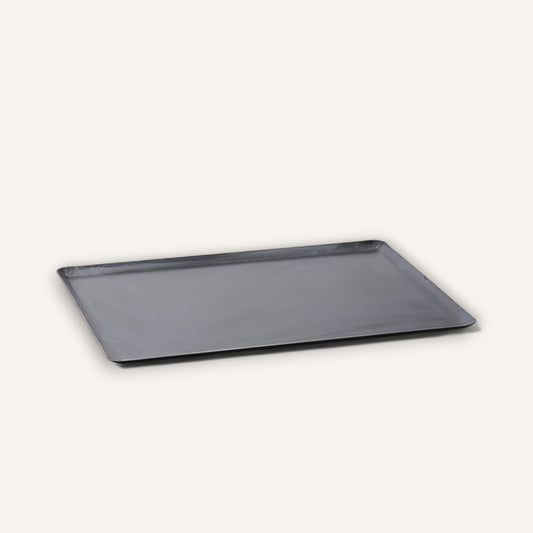
Blue Carbon Steel Baking Sheet
15.75" X 11.8"
23.6" X 15.75"
$45.00 - $55.00Regular price $45.00Regular priceUnit price per


