
Key Takeaways
- Choosing the right cookware size directly affects cooking performance, heat distribution, versatility, and how often each pan actually gets used.
- A strategic collection focuses on a few versatile sizes like a 10-11 inch fry pan, a 3-4 quart saucepan, a 12 inch sauté pan, and an 8-10 quart stockpot rather than overlapping pieces.
- Different cookware types serve distinct roles, and understanding how they all work together prevents unnecessary purchases.
- Proper sizing across cookware types allows a small, well-planned collection to handle the majority of everyday cooking tasks with minimal clutter.
- Building a de Buyer collection works best when you start with core sizes and add specialty pieces only when your cooking habits truly call for them.
You know you want de Buyer cookware, but standing at your computer with 10+ tabs open, you're stuck on a simple question: "What size?" You’re hunting through fry pans, saucepans, sauté pans, and stockpots, but learning how they all work together isn't so easy.
You need to build your collection strategically, not just buy individual pieces at random. We'll break down essential sizes for each type of cookware, help you understand which sizes are truly versatile, and show you how to build a collection that actually works for how you cook.
The Real Impact of Size: Why It Matters Across Your Collection
Pan size is not just a matter of easy handling or convenient storage. Size impacts performance across cookware pieces.
- Cooking performance: Wrong size means overcrowding or wasted energy
- Heat distribution: Pan size must match burner size for even cooking
- Versatility: A small number of differently sized pans can handle 90% of cooking tasks
- Storage efficiency: Thoughtfully sized pieces nest and store better
- Cost effectiveness: Buying the right sizes means you'll actually use them
Essential Sizing Guide by Cookware Type
This sizing guidance across different cookware types helps you understand what sizes you need for each category.
Fry Pans & Skillets: Your Go-To Sizes
Instead of buying multiple fry pans that overlap in function, focus on a few intentionally sized pans that cover nearly every cooking scenario.
- Most versatile size: 10-11" handles most daily cooking for 2 to 4 people
- Secondary size to consider: 8" for eggs, small portions, single servings
- When you need larger: 12"+ for family-sized meals, batch cooking
- Material considerations: Carbon steel excels at high-heat searing and develops natural nonstick capabilities over time, while stainless steel offers precision for temperature-sensitive cooking.
- Smart collection approach: One 10-11" fry pan and one 8" is more versatile than two fry pans of similar sizes
Saucepans: Finding Your Sweet Spot
Saucepans are a stable piece, but they’re often poorly sized in home kitchens.
- Most versatile size: 3-4 quart for sauces, grains, soups for 2 to 4 people
- Secondary size to consider: 1-2 quarts for reheating, small sauce batches, melting butter
- When you need larger: 5-6 quart for large batch cooking; alternatively, purchase a stockpot
- Smart collection approach: Start with a 3-quart, then add small or large based on actual use
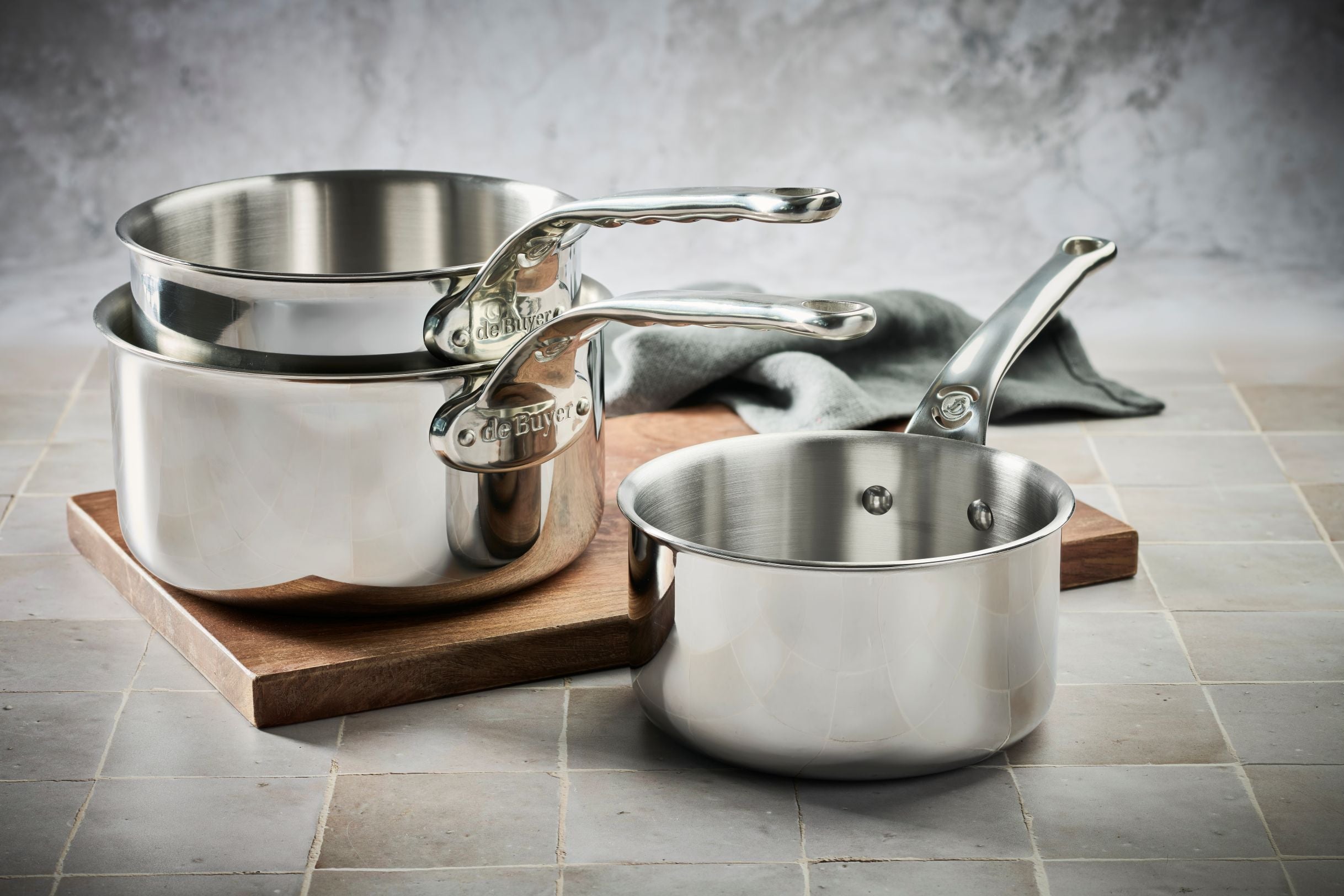
- Material considerations: de Buyer's 5-ply and 3-ply stainless steel saucepans distribute heat well, even in larger sizes, with the 5-ply edging out the 3-ply in temperature control
Consider your most-cooked sides—if you make rice, quinoa, or oatmeal daily, that 3-quart saucepan becomes your workhorse.
Sauté Pans: The Versatile Middle Ground
Often, cooks don't understand what makes sauté pans different from fry pans and when they're worth having. The straight sides and larger capacity of the sauté pan make it more versatile for sauces, braises, and one-pan meals.
- Most versatile size: 11-12" (3-4 quart capacity with sides) for building pan sauces, braising, one-pan dinners, dishes that start stovetop and finish in the oven
- Material considerations: Carbon steel and stainless steel are excellent options, and the copper sauté pans provide superior control
- Smart collection approach: If you have a 10" fry pan and a 3-quart saucepan, then an 11-12" sauté pan fills the gap beautifully. It holds more than a fry pan and is easier to handle than a pot.
Stockpots & Stew Pans: Go Bigger Than You Think
Stockpots and stew pans tend to be virtually the same: wide base, straight sides, lids, and double handles. However, stockpots are usually much taller than stew pans as they’re designed for creating stock.
- Most versatile size: 8-10 quart for large amounts of pasta and large soup batches
- Secondary size to consider: 6-8 quart because anything smaller is just a large saucepan
- When you need larger: 12+ quart if you batch cook, preserve, or cook for crowds
- Material considerations: Stockpots are typically available in stainless steel and copper, but stockpots don't need to match your other cookware material—functionality matters most
Specialty Pieces: When Size Gets Specific
Build your core collection first, and add specialty pieces based on your actual cooking needs and interests.
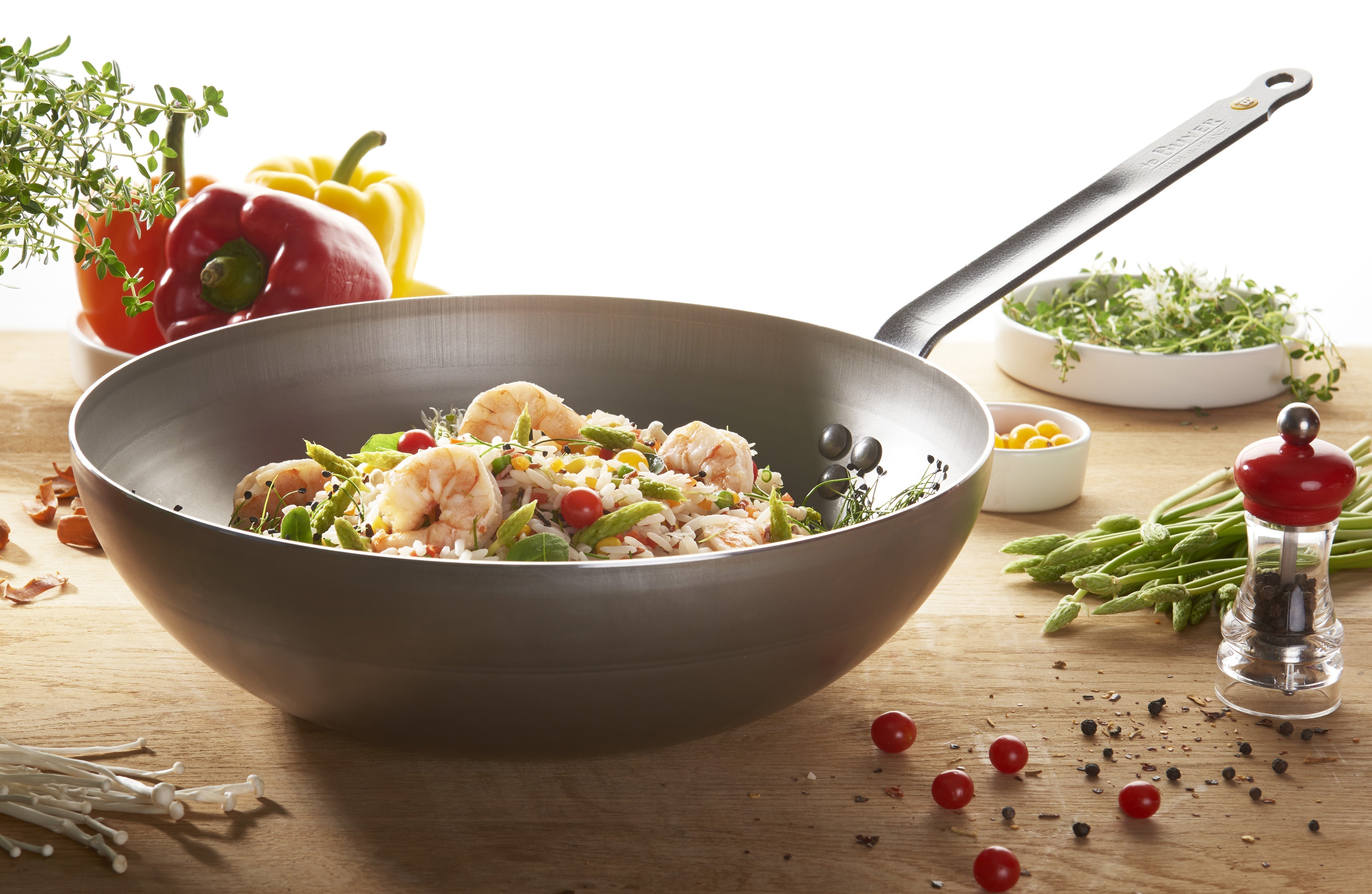
- Woks: 12" is standard and versatile, smaller won't give you the temperature zones woks need to function properly
- Roasting pans: Sizes vary; match to your oven and what you typically roast
- Crepe pans: 7-12” are standard size ranges, and determine crepe size
Building Your Collection: Strategic Sizing Across Cookware Types
Now it’s time to build your collection. It’s time to actually select the right pieces for a complete collection.
The Foundation Collection (What Most Home Cooks Actually Need)
This streamlined cookware setup covers everything from weeknight meals to entertaining, without cluttering your cabinets or overlapping functions.
- One 10-11" fry pan: Your daily go-to pan for searing proteins and quick one-pan meals.
- One 3-4 quart saucepan with lid: Handles every dish that needs controlled, even heat.
- One 12" sauté pan: Bridges the gap between a fry pan and a pot.
- One 8-10 quart stockpot: Use for boiling, soups, and batch cooking.
Why these sizes work together
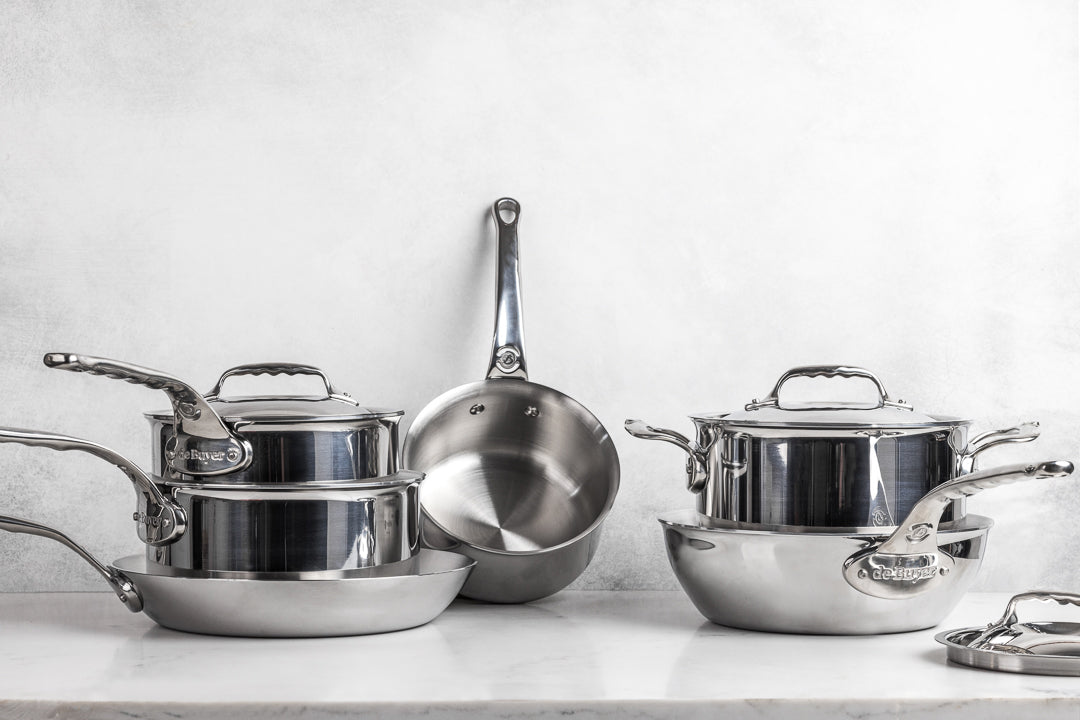
There’s little overlap in function since each pan handles different tasks and, together, covers the majority of home cooking needs. The sizes nest reasonably well for storage, too. Design your collection across different de Buyer materials based on use.
- Stainless Steel: Highly durable, non-reactive, and versatile enough for everything from searing to simmering acidic sauces.
- Copper: Unmatched heat conductivity and rapid temperature responsiveness, making it ideal for precise, delicate cooking. Though it is more expensive.
- Carbon Steel: Heats quickly, tolerates extremely high temperatures, and develops a natural nonstick surface through seasoning.
Smart Additions Based on Your Cooking
It’s your collection. Customize it to your preferences.
- Cook eggs daily? Add an 8" fry pan
- Want to work with copper? Add a 2-quart Prima Matera saucepan
- Family cooking or batch prep? Add a large stockpot or stew pan
- Asian cuisine enthusiast? Add a 12" carbon steel wok
Practical Considerations That Affect Sizing
Don’t just consider your wants. Think about your space, family, and practical limitations.
- Your Household Size and Cooking Habits: Are you cooking for 1-2 or over 6? The amount of food you need influences the size of cookware you require.
- Your Storage Reality: Limited space or spacious kitchen? You may want to skip the extra-large stew pan if you’re working with a kitchenette and very little storage.
- Your Cooktop Type: Do you have small burners, induction, or gas with multiple burner sizes? Not all materials work on all cooking surfaces.
Build Your Collection with Confidence
Smart, strategic collection building starts with properly sized pieces. Use this article and your knowledge of your culinary needs to create the best collection.
Ready to build your perfectly sized de Buyer collection? Start with the essentials and expand based on how you actually cook.


Recommended for You
-
MINERAL B PRO Carbon Steel Fry Pan
8"
9.5"
11"
12.5"
$110.00 - $175.00Regular price $110.00Regular priceUnit price per$0.00Sale price $110.00 -
MINERAL B Classic Carbon Steel Fry Pan
8"
9.5"
10.25"
11"
12.5"
14"
$75.00 - $165.00Regular price $75.00Regular priceUnit price per -
MINERAL B PRO Carbon Steel Omelette Pan
9.5"
11"
$130.00 - $145.00Regular price $130.00Regular priceUnit price per -
 Sold out
Protective Sleeve for Pan Handle
Default Title
$12.50 USDRegular price $12.50Regular priceUnit price per -
Blue Carbon Steel Fry Pan
8"
9.5"
10.25"
11"
12.5"
$60.00 - $95.00Regular price $60.00Regular priceUnit price per -
MINERAL B Carbon Steel Omelette Pan
8"
9.5"
11"
$85.00 - $120.00Regular price $85.00Regular priceUnit price per -
MINERAL B Carbon Steel Crepe & Tortilla Pan
9.5"
10.25"
12"
$75.00 - $100.00Regular price $75.00Regular priceUnit price per -
Blue Carbon Steel Crepe & Tortilla Pan
7"
8"
9.5"
$30.00 - $50.00Regular price $30.00Regular priceUnit price per -
MINERAL B Carbon Steel Egg & Pancake Pan
4.75"
5.5"
$50.00 - $60.00Regular price $50.00Regular priceUnit price per -
MINERAL B Carbon Steel Country Fry Pan
9.5"
11"
12.5"
$125.00 - $185.00Regular price $125.00Regular priceUnit price per -
 Sold out
B BOIS Crepe Spatula
Default Title
$10.00 USDRegular price $10.00Regular priceUnit price per -
 Sold out
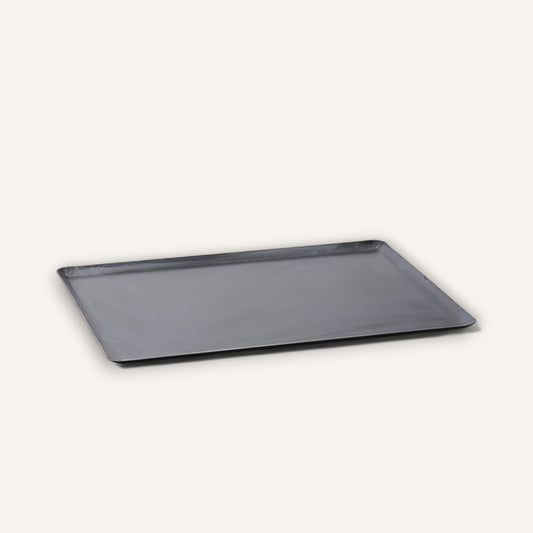
Blue Carbon Steel Baking Sheet
15.75" X 11.8"
23.6" X 15.75"
$45.00 - $55.00Regular price $45.00Regular priceUnit price per


