
Key Takeaways
- The best food storage containers are defined by airtight seals, safe materials, temperature compatibility, and shapes that maximize organization and freshness.
- Glass, stainless steel, silicone, and plastic each serve different kitchen needs, with glass excelling at visibility and reheating, stainless steel at durability, silicone at freezing and space-saving, and plastic requiring careful, limited use.
- Choosing containers by use case—freezer storage, pantry organization, or meal prep—prevents waste, improves efficiency, and eliminates clutter caused by mismatched or low-quality containers.
- Investing in high-quality, well-maintained storage containers extends food life, supports safer cooking habits, and creates a more functional, long-lasting kitchen system.
Cluttered countertops, unidentifiable mystery leftovers, and ingredients that go bad before you use them—this may sound familiar. Many cooks struggle to find the right storage containers for their needs.
The best containers do more than hold food. They extend freshness, reduce waste, and bring order to your kitchen, but not all containers work for every purpose. Most cooks end up with a chaotic mix of containers that are missing tops, don’t stack, or have stopped sealing a long time ago.
This guide is here to help. It breaks down the best containers by material and use case, helping you discover the features worth investing in.
What Makes a Food Storage Container "Good"?
'Good' varies depending on what you need. These are the most important features to consider.
- Airtight Seal: A storage container that can’t prevent moisture loss, freezer burn, or odor transfer is next to useless.
- Temperature Range: Fridge-only vs. freezer-safe vs. oven-safe vs. microwave-safe containers serve different purposes.
- Stackability and Shape: Round containers are more durable. Square/rectangular containers store more and are easier to organize.
- Material Safety: Avoid materials that leach or degrade. Choose materials free from BPA, phthalates, and other harmful toxins.
Best Food Storage Container Materials for Your Kitchen
You have a few options. The most popular are glass, stainless steel, and silicone.
Glass Storage Containers: Best for Fridge, Pantry, and Reheating
Glass wins for fridge storage because, like plastic containers, it lets you see the contents at a glance. Unlike plastic, glass doesn't absorb odors or stains. This material is also typically microwave and oven-safe.
- For Pantry Storage: Look for easy-to-open lids with a silicone lining for a seal. Good for storing and easily accessing pantry staples.
- For Fridge/Reheating Storage: Look for snap-lock lids that are durable and give you an airtight seal. Good for storing leftovers and marinating.
Glass is heavier than other materials, can break if dropped, and takes up more space than collapsible options like cloth and pure silicone. It’s possible to address this inherent fragility by adding boron to produce borosilicate glass.
This glass resists thermal expansion, is stronger than traditional soda-lime glass, and has excellent chemical resistance, making it resistant to corrosive substances and unlikely to leach into foods. Look for borosilicate glass when choosing your next glass container.
Stainless Steel Containers: Lightweight and Pantry-Perfect
Stainless steel is lightweight, won't stain or retain odors, extremely durable, and works well for on-the-go meals.
If you’re not opposed to labeling, then stainless steel makes for an excellent pantry holder for items like flour, rice, and coffee. You can’t see the contents without opening it, but the steel adds a modern aesthetic to your pantry.
Since these containers aren't microwave-safe, they’re not as useful for hot-packed lunches, but cold lunches are just fine. Look for food-grade 18/8 or 18/10 stainless steel with secure, leak-proof lids.
Silicone Containers: Flexible, Freezer-Friendly, Space-Saving
Silicone containers have become very popular in recent years. They are:
- Collapsible for compact storage
- Freezer-safe with no thermal shock risk
- Flexible for easy food removal
- Come in all shapes and sizes
- Food-safe
To comply with FDA requirements, silicone must be produced without harmful additives such as BPA or BPS. Platinum-cured silicone is the gold standard, offering higher purity and a lower risk of chemical leaching.
Silicone is great for freezing soups, sauces, and liquids; storing baked goods, and packing snacks. This material is less rigid, making it harder to stack when full, and is less visually appealing than glass.
When to Use Plastic Containers (And When to Avoid Them)
Some cooks avoid plastic due to the risk of microplastics and a desire for an eco-friendly kitchen. Each cook must make their own decisions and should be comfortable using the products they bring into their kitchen.
That being said, professional chefs have used plastic containers for decades, and this material does have certain uses, but quality matters enormously. For dry snacks, non-heated leftovers, temporary storage, and kids' lunch boxes, plastic containers work wonders.
These containers must be BPA-free and phthalate-free, and labeled for their intended use. Some plastic containers are only for the fridge; they are not freezer- or microwave-safe.
Never store hot liquids in plastic, and always choose durable, reusable options over single-use.
Best Food Storage Containers By Kitchen Needs
Each container type is useful for different applications. Choose according to your needs.
Best Containers for Freezer Storage
Your best options are freezer-rated tempered glass, silicone, and heavy-duty freezer bags. Look for features like:
- Airtight seal to prevent freezer burn
- Thermal shock resistance
- Stackable for space efficiency
- Wide mouths for easy filling/cleaning
- Clear or see-through for quick identification
Avoid using containers not rated for freezing, as they may explode. Do not overfill, since the food will expand while freezing. It’s best to label with the date and contents—even in clear containers—so meals rotate efficiently.
Best Containers for Pantry Organization
You need to keep dry goods fresh, maximize shelf space, create visual order, and prevent pests. For this, glass and clear acrylic are the best options.
- Sizes to Consider: Purchase large canisters for flour/sugar/rice, medium for pasta/grains, and small for spices and baking supplies.
- Square vs. Round: Remember, square containers use less shelf space, but circular containers can hold more items.
Matching sets can create visual cohesion and make it easier to find what you need.
Best Containers for Meal Prep and Portion Control
The best containers for meal prep have portion-sized compartments and are microwave- and dishwasher-safe. The divided containers will keep components separate until ready to eat. Look for a 2- to 3-cup capacity for main meals and a 1-cup capacity for sides or snacks.
Keep the following features in mind:
- Choose Sets With Identical Lid Sizes: Across different container sizes for easier stacking and fewer lost lids
- Glass vs. Plastic vs. Stainless Steel Debate: Glass is heavier but reheats better and lasts longer; plastic is lighter for portability; stainless steel is more durable but cannot reheat.
- Leak-proof Test: Essential for dressings, sauces, and soups—check reviews for seal quality before buying.
Maintaining Your Containers for Longevity
Reusing the same containers after they become stained, damaged, or smell ‘off’ isn’t a great idea. It may feel thrifty, but you need containers that aren’t harboring bacteria or on the edge of shattering. Use these tips to keep your container in good shape for longer, but replace them when it’s time.
- Glass Care: Don't transfer from the freezer to boiling water to avoid thermal shock. Hand-wash lids to preserve gaskets, and inspect them periodically for chips.
- Stainless Steel Care: Dry immediately to prevent water spots and avoid abrasive cleaners.
- Silicone Care: Air-dry completely before storing, and deep-clean periodically with baking soda to remove odors.
- Plastic Care: Replace when scratched or cloudy, as bacteria can harbor in the grooves. Avoid placing items on the dishwasher's top rack if not rated for it.
Invest in Quality Storage, Cook with Quality Tools
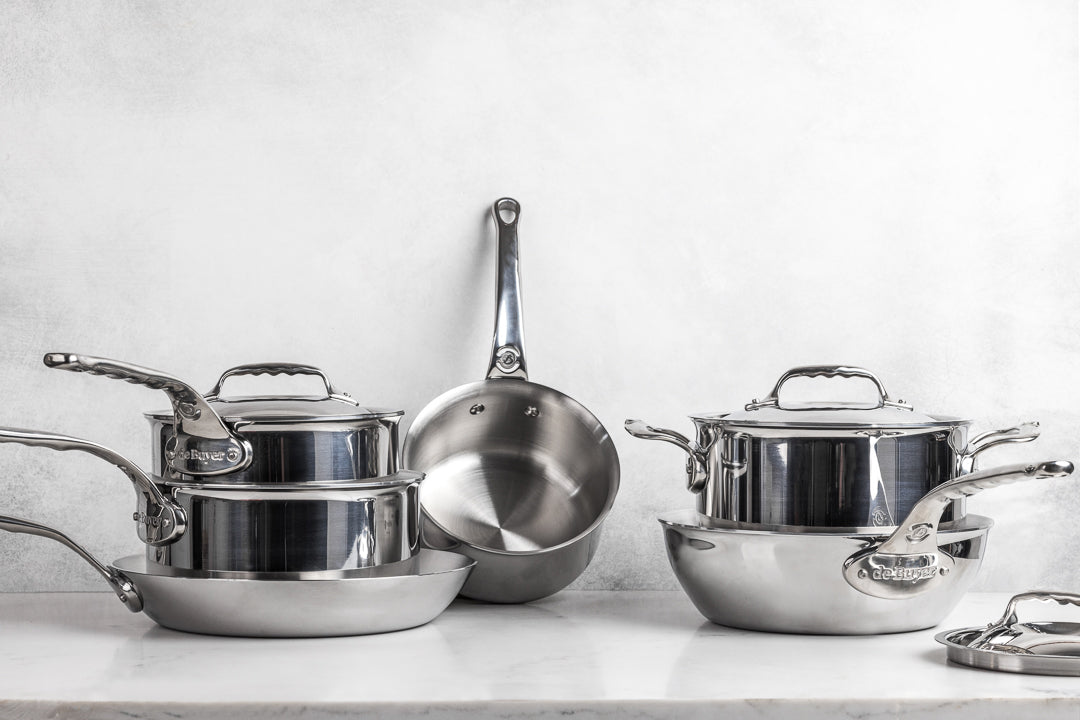
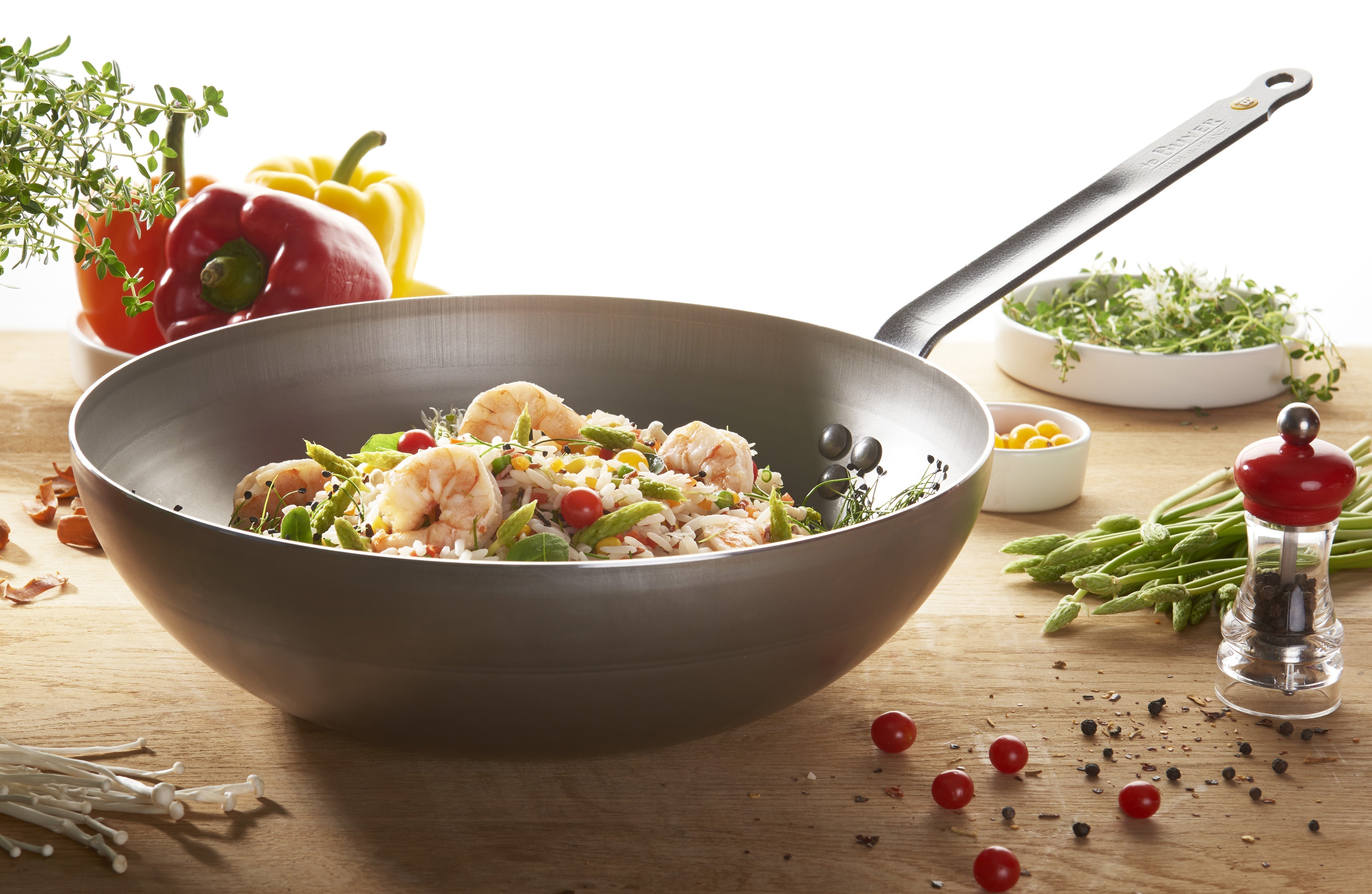
Storage is just one piece of a well-functioning kitchen. Your entire cookware ecosystem must work together and support your culinary needs. Properly stored ingredients deserve quality pans that bring out their best.
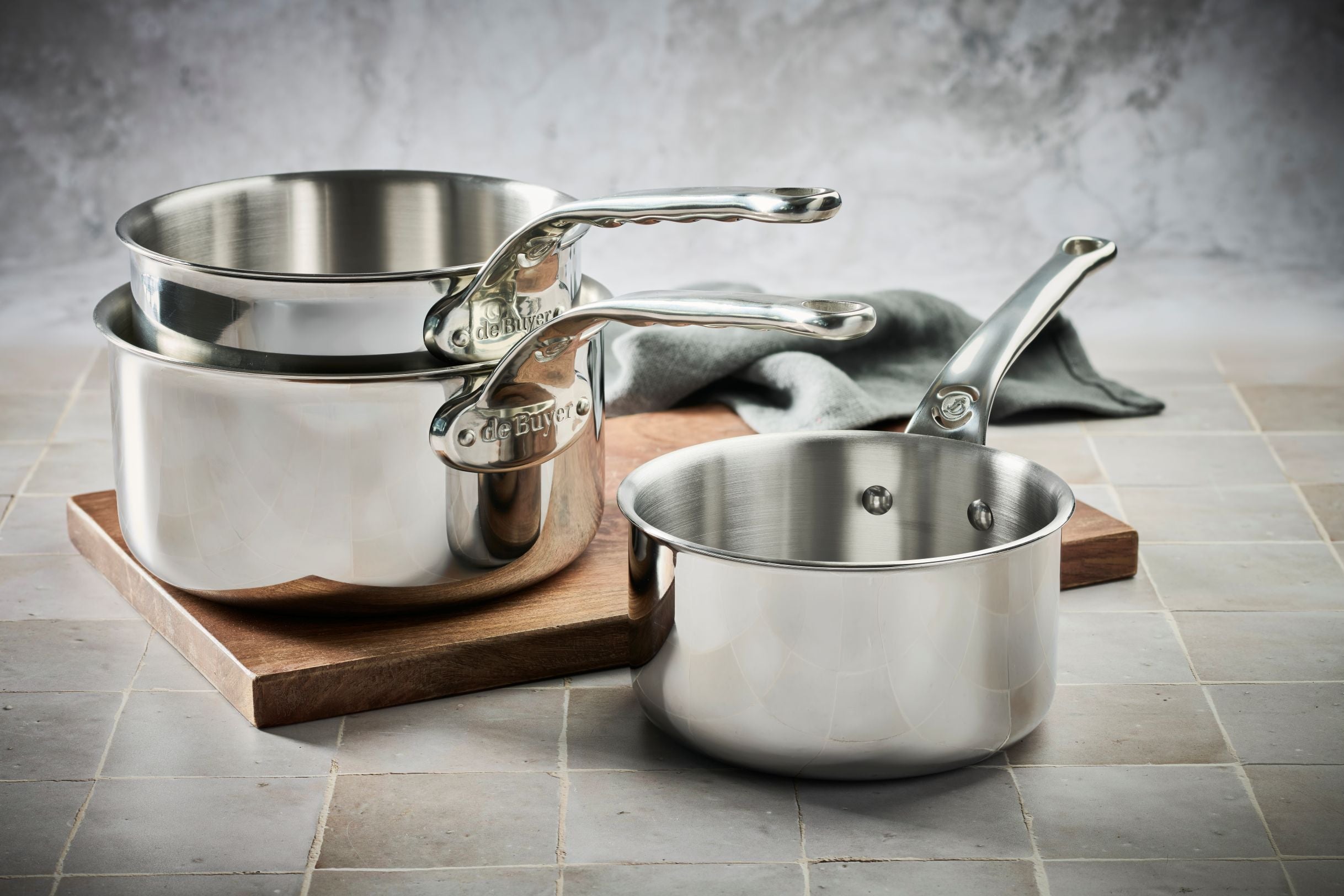
de Buyer's French-made cookware and glass containers are built to last generations. Buy fewer. Buy better. Buy de Buyer.
Ready to upgrade your entire kitchen? Explore our collection of French-made cookware, bakeware, and utensils—crafted with the same attention to quality you bring to food storage. Built to last, designed to perform.


Recommended for You
-
MINERAL B PRO Carbon Steel Fry Pan
$110.00 - $175.00Regular price $110.00Regular priceUnit price per$0.00Sale price $110.00 -
-
MINERAL B PRO Carbon Steel Omelette Pan
$130.00 - $145.00Regular price $130.00Regular priceUnit price per -
Protective Sleeve for Pan Handle
$12.50 USDRegular price $12.50Regular priceUnit price per -
-
MINERAL B Carbon Steel Omelette Pan
$85.00 - $120.00Regular price $85.00Regular priceUnit price per -
MINERAL B Carbon Steel Crepe Pan
$75.00 - $100.00Regular price $75.00Regular priceUnit price per -
MINERAL B Carbon Steel Egg & Pancake Pan
$50.00 - $60.00Regular price $50.00Regular priceUnit price per -
MINERAL B Carbon Steel Country Fry Pan
$125.00 - $185.00Regular price $125.00Regular priceUnit price per -
 Sold outSold out
 -
 Sold out
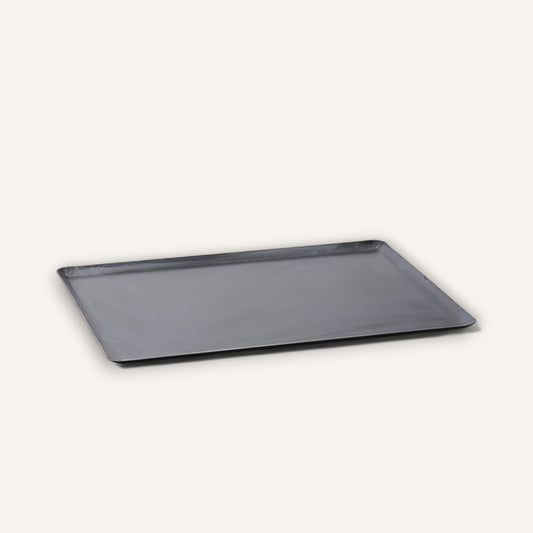
Blue Carbon Steel Baking Sheet
$45.00 - $55.00Regular price $45.00Regular priceUnit price per -
 Sold out
B BOIS Flexible Turner
$36.00 USDRegular price $36.00Regular priceUnit price per


