
Key Takeaways
- Silicone and metal molds serve distinct purposes: silicone offers flexibility and easy release, while metal delivers superior browning, crisp textures, and structural precision.
- Material choice directly affects baking outcomes, including heat transfer, texture, visual finish, and ease of handling, making the molds non-interchangeable for best results.
- Silicone molds excel for delicate, molded, or chilled desserts, while metal molds are essential for baked goods that require defined edges and caramelization.
- Both silicone and metal molds are safe for convection ovens, though adjustments to temperature or bake time are often needed due to increased airflow and faster cooking.
- de Buyer’s professional-grade silicone and metal molds combine durability, thoughtful design, and consistent performance when used and cared for properly.
Silicone and metal molds are both popular culinary tools, but fundamentally different in performance and purpose. While silicone offers flexibility and easy unmolding, metal delivers professional-level browning and crisp textures.
de Buyer’s professional-grade molds combine French craftsmanship with precise performance for any oven environment, but before purchasing, chefs need foundational knowledge of molding.
How Material Affects Baking Results
Silicone and metal molds have different conductivities and structures, which affect ease of handling and dish finish.
- Thermal Conductivity: Metal conducts heat efficiently, producing even browning and faster bake times; silicone insulates, leading to slower, gentler baking with minimal browning and a denser end result.
- Texture and Structure: Metal molds create crisp crusts and defined edges; silicone molds maintain moisture and suit delicate or chilled desserts.
- Ease of Handling: Silicone offers flexibility but can feel unstable with heavy batters; metal provides firm support for precise shaping, but there is a risk of leakage.
- Visual Finish: Metal enhances caramelization and surface color; silicone preserves pale finishes ideal for custards.
Comparing the Benefits of Silicone and Metal Molds
|
Mold Type |
Advantages |
Drawbacks |
|
Silicone Molds |
Nonstick surface, easy release, dishwasher safe, ideal for molded or chilled recipes |
Lower heat transfer, potential wobbling, limited browning |
|
Metal Molds |
Superior heat conduction, strong structural stability, crisp textures, professional reliability |
Requires greasing or parchment for easy release, may overbrown if overheated |
When to Choose Each Type
Culinary schools and pâtisseries often use both metal and silicone molds, relying on their consistency during repeated use. The different materials and benefits mean that these mold types are not interchangeable.
- Silicone for Chilled or Delicate Desserts: Best for mousses, entremets, panna cotta, and other recipes where flexibility aids unmolding.
- Metal for Baked Pastry and Bread: Best for tart shells, financiers, or cakes needing crisp edges.
Using a silicone mold for a tart shell will result in a thick, doughy, soft tart; likewise, using a metal mold to encase an entremet in chocolate is a recipe for spillage and disaster. Chefs must learn when to use each mold for the best results.
de Buyer Spotlight: Professional-Grade Molds That Elevate Results
All de Buyer metal and silicone molds are convection oven-compatible. Their thermal conductivity and durable design ensure consistent results again and again.
Metal Molds (Precision and Heat Performance)
All de Buyer metal molds are dishwasher-safe and designed for easy removal.
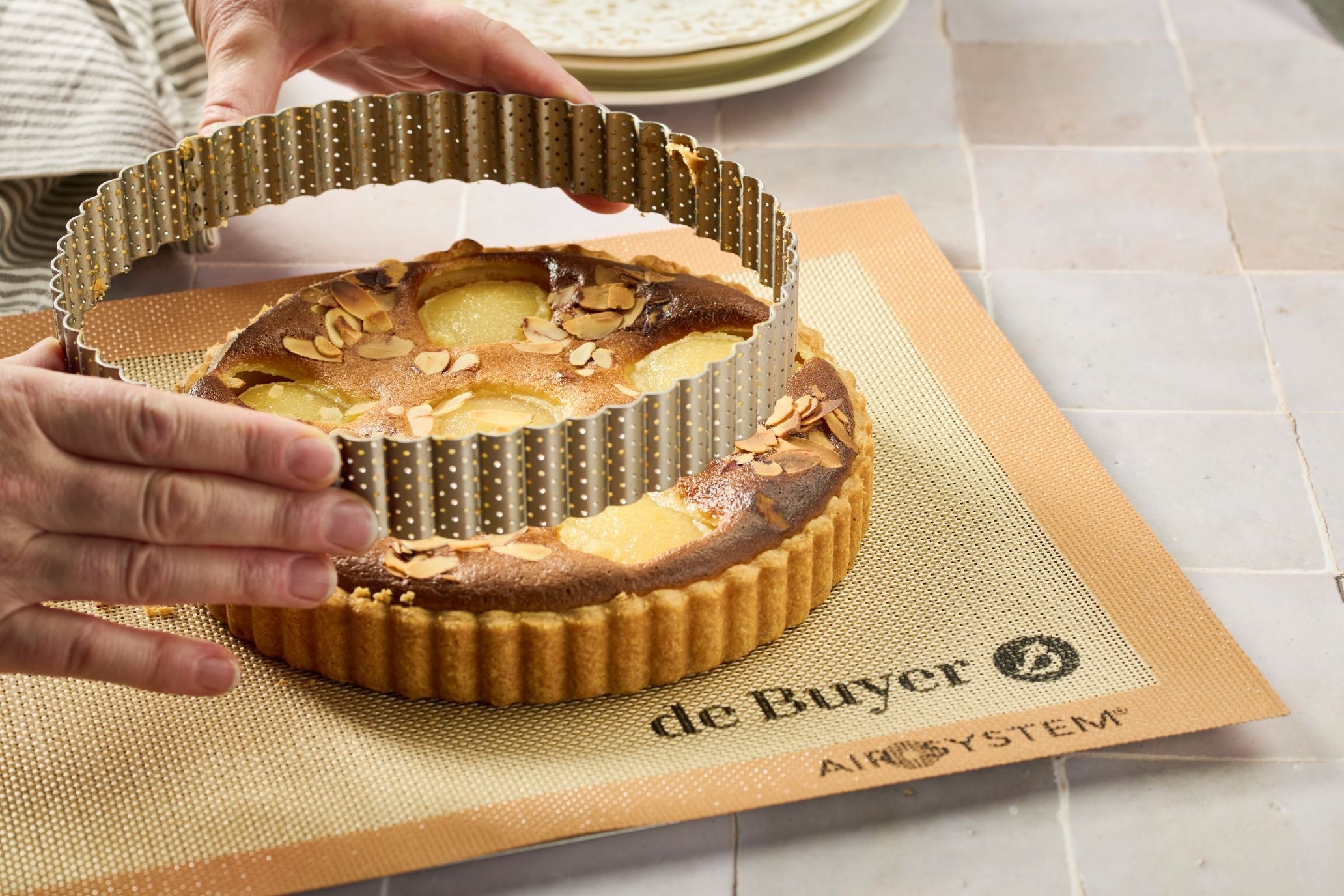
- de Buyer Tart Rings: The perforated design and 18/10 stainless steel construction allow even airflow for crisp, golden crusts. Explore tart rings in a variety of shapes and sizes.
- de Buyer Steel Cake Molds: These expandable molds are built for oven durability and uniform heat transfer. They are freezer-, deep freezer-, blast chiller-, and refrigerator-safe, with a smooth inner surface and waterproof construction, for perfect results.
Silicone Molds (Flexibility and Release)
All de Buyer silicone molds can be frozen and are dishwasher safe. The two premium mold collections feature an extensive range of shapes and sizes to suit any baker’s creative vision.
- de Buyer Elastomoule: This line is crafted from food-grade silicone mixed with metal powder, giving it a flexible yet stable construction for professional results.
- de Buyer Moul'Flex: This line is crafted from food-grade silicone with nonstick capabilities, making demolding extremely easy.
Using Silicone and Metal Molds Safely in a Convection Oven
Temperature and Airflow
Convection ovens use a built-in fan and exhaust system to circulate heat evenly around the food as it cooks. Both metal and silicone molds excel under these conditions, but since the airflow puts the dish in constant contact with hot air, dishes tend to cook faster.
To compensate for this, the common adjustment is to either reduce the temperature by 25°F or reduce the cooking time by about 20%. This applies to silicone and metal mold bakes. Most recipes that call for convection ovens already have adjusted bake times and temperatures.
Placement and Stability
For both metal molds and silicone molds, avoid placing them directly against oven walls or fans. The molds shouldn’t melt or warp, but this placement will result in uneven cooking.
Silicone molds are best set on a baking sheet for extra stability when moving them in or out of the oven, refrigerator, or freezer. This will prevent spills.
Metal molds should be set and cooked on a silicone mat and a baking sheet. This layered setup will keep the dough from running or baking unevenly.
Professional Tip
Always preheat fully before baking; consistent airflow ensures predictable results across batches.
The metal tarts have a perforated design that promotes uniform baking, while the perforations allow steam to escape, helping create a crisp, evenly golden crust. However, the perforations can leave slight impressions on the surface. For chefs who prefer a completely smooth finish, use a lemon zester or fine cheese grater to shave away any marks.
Carefully work around the entire crust until the texture is even and smooth.
Caring for Silicone and Metal Molds for Long-Lasting Performance
de Buyer’s eco-responsible manufacturing and commitment to ethically sourced products mean that your new molds are made in an environmentally-conscious manner and are built to last. These sustainable products will continue to function for years if they’re properly maintained.
- Cleaning: Avoid abrasive pads; use gentle soap and non-acidic cleaners
- Storage: Keep silicone molds flat and not crushed to prevent warping; nest metal molds carefully to protect the finish
- Stubborn Stains: Use a vinegar and water mixture with a gentle brush to get rid of stubborn stains
Bake with Confidence Using Professional Tools
Choose silicone molds for dishes that require delicate treatment with a slow bake. Choose metal for dishes that require a browned texture and crisp edges. Both serve unique purposes and play an important role in any kitchen.
de Buyer’s bakeware lines meet both professional and home-baking needs. Explore de Buyer’s bakeware collection today and learn expert techniques to cook with confidence.


Recommended for You
-
MINERAL B PRO Carbon Steel Fry Pan
8"
9.5"
11"
12.5"
$110.00 - $175.00Regular price $110.00Regular priceUnit price per$0.00Sale price $110.00 -
MINERAL B Classic Carbon Steel Fry Pan
8"
9.5"
10.25"
11"
12.5"
14"
$75.00 - $165.00Regular price $75.00Regular priceUnit price per -
MINERAL B PRO Carbon Steel Omelette Pan
9.5"
11"
$130.00 - $145.00Regular price $130.00Regular priceUnit price per -
Protective Sleeve for Pan Handle
Default Title
$12.50 USDRegular price $12.50Regular priceUnit price per -
Blue Carbon Steel Fry Pan
8"
9.5"
10.25"
11"
12.5"
$60.00 - $95.00Regular price $60.00Regular priceUnit price per -
MINERAL B Carbon Steel Omelette Pan
8"
9.5"
11"
$85.00 - $120.00Regular price $85.00Regular priceUnit price per -
MINERAL B Carbon Steel Crepe & Tortilla Pan
9.5"
10.25"
12"
$75.00 - $100.00Regular price $75.00Regular priceUnit price per -
Blue Carbon Steel Crepe & Tortilla Pan
7"
8"
9.5"
$30.00 - $50.00Regular price $30.00Regular priceUnit price per -
MINERAL B Carbon Steel Egg & Pancake Pan
4.75"
5.5"
$50.00 - $60.00Regular price $50.00Regular priceUnit price per -
MINERAL B Carbon Steel Country Fry Pan
9.5"
11"
12.5"
$125.00 - $185.00Regular price $125.00Regular priceUnit price per -
 Sold out
B BOIS Crepe Spatula
Default Title
$10.00 USDRegular price $10.00Regular priceUnit price per -
 Sold out
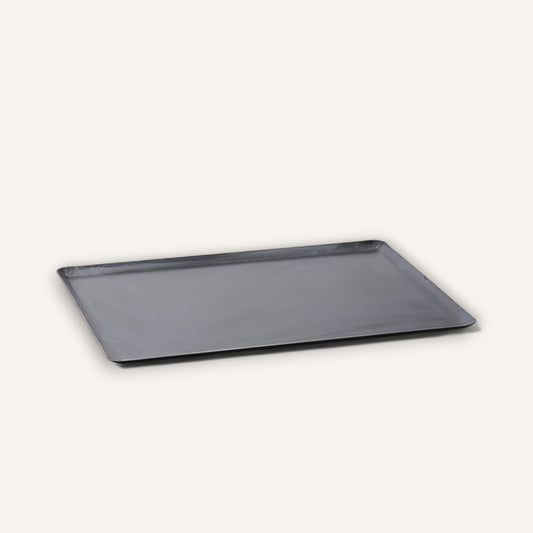
Blue Carbon Steel Baking Sheet
15.75" X 11.8"
23.6" X 15.75"
$45.00 - $55.00Regular price $45.00Regular priceUnit price per


