Key Takeaways
- Burnt grease affects more than appearance. It can harm flavor, cooking performance, safety, and even shorten the life of your pans.
- Stainless steel pans respond well to methods like boiling water with baking soda, vinegar deglazing, or baking soda paste. Bar Keepers Friend works for stubborn stains.
- Nonstick pans require gentler care, so use soaking, baking soda solutions, or vinegar rinses, but never harsh abrasives or Bar Keepers Friend.
- Prevent buildup by cleaning promptly after each use, cooking at the right heat, and choosing oils with higher smoke points.
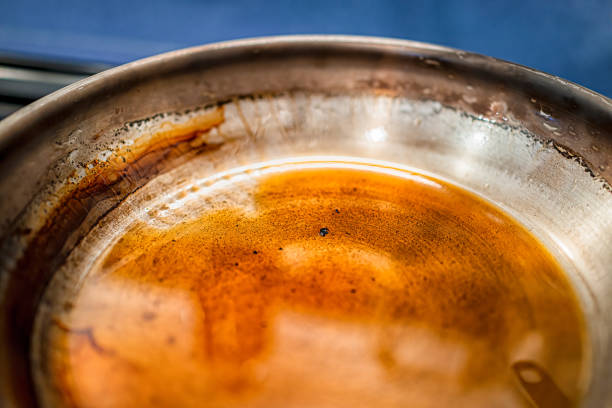
Burnt grease is much more than a simple cosmetic issue. It can ruin flavors, damage surfaces, and shorten the life of your cookware. Even experienced chefs sometimes burn grease, especially on stainless steel and nonstick pans, which each present unique challenges when it comes to cleaning stubborn stains.
This article will walk through safe, effective methods for both materials, helping readers restore their pans without causing damage.
Why Does Burnt Grease Build Up?
The most common causes of burnt grease are overheated oil, cooking at too high a temperature for too long, or buildup from repeated use without deep cleaning. The type of grease residue will differ between cookware types.
- Stainless steel tends to hold onto caramelized sugars and oils that burn onto the surface.
- Nonstick pans risk grease seeping into tiny scratches or clinging to the coating, so cleaning incorrectly can result in damaging the nonstick surface.
Why Is Grease Residue a Problem?
This isn’t just gross or unsightly. There are real problems that come with grease residue on cookware.
- Health concerns: Old grease can go rancid, producing unpleasant odors and potentially transferring off-flavors to food. It probably won’t harm you, but it definitely isn’t good for you.
- Cooking performance: Layers of burnt-on grease create hot spots, making it harder to cook evenly and increasing the risk of burning future meals.
- Fire hazard: Grease residue is flammable. The risk of combustion is higher when using a gas stove with an open flame.
-
Damage to cookware:
- On stainless steel, buildup can discolor the surface and lead to pitting over time.
- On nonstick pans, grease layers can erode the coating, reducing its lifespan.
- Aesthetic: Grease stains dull the shine of stainless steel and make nonstick pans appear worn, even if they’re relatively new. It’s usually not a permanent look, but it is unappealing in your otherwise clean kitchen.
Cleaning Burnt Grease from Stainless Steel Pans
There are a few different ways to remove grease from your stainless steel pans. We recommend first trying methods using supplies you have on hand. If those don’t work, you may need to do a grocery store run and try the other methods.
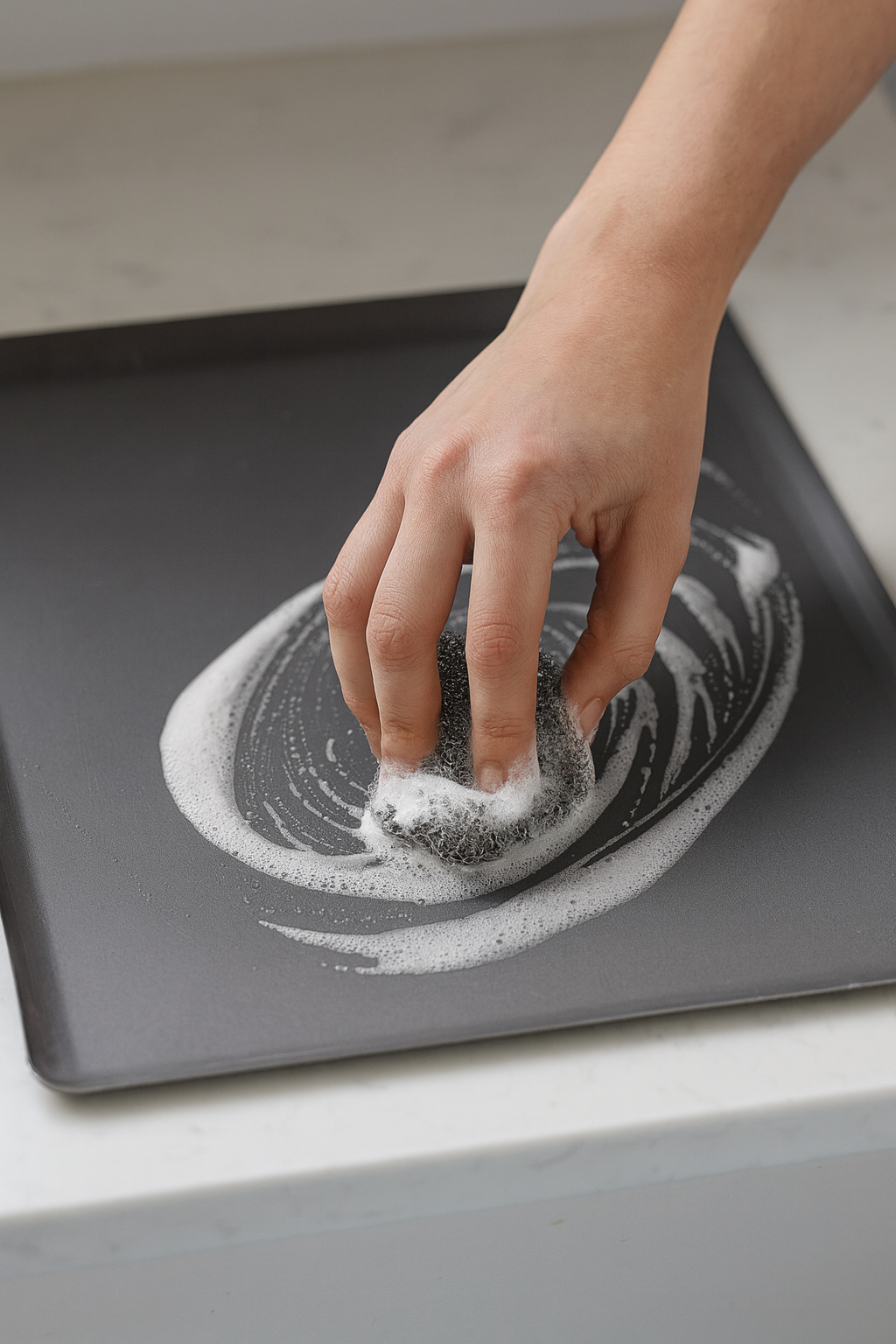
- Boiling water and baking soda method: loosen burnt-on grease by simmering water and baking soda, then gently scrubbing. Be careful when handling hot liquids.
- Vinegar deglaze: uses equal parts vinegar and water to cut through grease, then wash as normal.
- Baking soda paste: for stubborn spots, apply a paste and let it sit for around 30 minutes to an hour before scrubbing with a non-abrasive pad.
No matter what, avoid steel wool since it can scratch and dull stainless steel finishes. Other popular methods may suggest a cleaning product called Bar Keepers Friend. It’s made with oxalic acid, a common organic cleaning agent for stain removal. This acid is safe to use and is stronger than both vinegar and baking soda.
That being said, most burnt grease stains can be tackled with standard vinegar and baking soda combined with scrubbing and/or boiling water. If you have a particularly difficult stain, then consider Bar Keepers Friend. Here’s how you use it on grease stains:
- Prep: Put on gloves and ventilate the area. Rinse or wipe the pan so it’s damp.
- Apply: Sprinkle powder lightly and add a few drops of water to make a thin paste.
- Clean: Use a soft, non-scratch sponge or microfiber, and gently rub. Give it a short dwell time, about 1 minute max, and do not let the paste dry on the pan’s surface.
- Rinse and dry: Rinse thoroughly with plenty of water, and wipe dry to prevent spots or flash rusting.
- Repeat if needed: For stubborn stains, reapply briefly rather than scrubbing hard.
Cleaning Burnt Grease from Nonstick Pans
With nonstick pans, we need to be a little more cautious. These pans are more delicate, and abrasive scrubbers or harsh detergents can strip the nonstick layer.
- Gentle soak: warm water and mild dish soap loosen residue.
- Baking soda solution: sprinkle baking soda with water, let sit, then wipe with a soft sponge.
- White vinegar rinse: helps break down grease without damaging the coating.
Do not use Bar Keepers Friend on nonstick pans. It may damage the coating.
How Can You Prevent Future Grease Buildup?
Regular light cleaning prevents burnt grease from becoming a deep-set problem. Clean your cookware after every use with a gentle soap and warm water. The sooner you can clean, the better. Letting pans sit overnight is a sure-fire way of developing grease buildup (and attracting pests).
For stainless steel, you also need to preheat properly, use oils with high smoke points, and clean promptly after cooking. Good oils include grapeseed, vegetable, avocado, and ghee.
For nonstick, you will need to cook on medium or low heat, avoid aerosol sprays with additives (though non-additive sprays are acceptable), and never overheat an empty pan.
Once you overheat a nonstick pan to over 650°F, the nonstick coating can start to degrade and release fumes into the air. While it’s extremely unlikely that you’ll reach those temperatures, it’s still best to never leave a pan unattended when heating.
Clean Smart, Cook Better
Stainless steel and nonstick require different cleaning approaches, but both benefit from gentle, consistent care. Burnt grease doesn’t have to be permanent—use the right method, and your pans can look and perform like new. Use these cleaning techniques to ensure you never have to deal with burnt grease again.
Explore de Buyer’s professional-grade stainless steel and nonstick pans, crafted for chefs and designed for everyday cooks.




Recommended for You
-
MINERAL B PRO Carbon Steel Fry Pan
8"
9.5"
11"
12.5"
$100.00 - $160.00
Sale Sold outRegular price $75.00 $100.00Regular priceUnit price per$0.00Sale price $100.00 -
MINERAL B Classic Carbon Steel Fry Pan
8"
9.5"
10.25"
11"
12.5"
14"
$65.00 - $155.00
Regular price $65.00Regular priceUnit price per -
MINERAL B PRO Carbon Steel Omelette Pan
9.5"
11"
$120.00 - $135.00
Sale Sold outRegular price $90.00 $120.00Regular priceUnit price per -
MINERAL B Carbon Steel Omelette Pan
8"
9.5"
11"
$75.00 - $110.00
Regular price $75.00Regular priceUnit price per -
Blue Carbon Steel Fry Pan
8"
9.5"
10.25"
11"
12.5"
$50.00 - $85.00
Regular price $50.00Regular priceUnit price per -
Protective Sleeve for Pan Handle
Default Title
$12.50 - $12.50
Regular price $12.50Regular priceUnit price per -
MINERAL B Carbon Steel Crepe & Tortilla Pan
9.5"
10.25"
12"
$65.00 - $90.00
Regular price $65.00Regular priceUnit price per -
Blue Carbon Steel Crepe & Tortilla Pan
7"
8"
9.5"
$25.00 - $45.00
Regular price $25.00Regular priceUnit price per -
MINERAL B Carbon Steel Country Fry Pan
9.5"
11"
12.5"
$110.00 - $170.00
Regular price $110.00Regular priceUnit price per -
MINERAL B Carbon Steel Egg & Pancake Pan
4.75"
5.5"
$40.00 - $50.00
Regular price $40.00Regular priceUnit price per -
Blue Carbon Steel Baking Sheet
15.75" X 11.8"
23.6" X 15.75"
$40.00 - $45.00
Regular price $40.00Regular priceUnit price per -
B BOIS Crepe Spatula
Default Title
$8.00 - $8.00
Regular price $8.00Regular priceUnit price per