Key Takeaways
- Metal bakeware, especially carbon steel, blue steel, and aluminum, offers superior heat conductivity and better baking results than glass.
- PTFE-coated pans are convenient but short-lived and best used for foods like muffins and brownies; seasoned steel improves over time and withstands higher heat, making it excellent for baking sheets and tart forms.
- Bakers must consider bakeware material, conductivity, nonstick performance, quality, and maintenance requirements, along with personal preference and baking style, when purchasing bakeware.
- Essential bakeware includes loaf pans, sheet pans, cake pans, tart pans, and muffin tins.
- Professional-grade brands like de Buyer are known for durability, precision, and long-term performance, making them worth the investment.
Baking is a science. Bakers measure by the gram and carefully monitor temperature to produce exquisite desserts, breads, and treats. When even a few grams can make a huge difference, bakeware has a significant impact, and the right bakeware can make or break results.
Whether you’re a new or burgeoning baker, you can trust de Buyer as a bakeware brand known for its precision, durability, and innovation. In this guide, we’ll help you choose the best bakeware for even browning, easy release, and long-term performance.
What Counts as Bakeware?
Bakeware is defined as pans, baking trays, and other items used in the oven while baking. Items may include:
- Cake pans: Flat-bottomed pans with tall sides, used for baking layered cakes and typically 8" or 9" round or square
- Tart rings: Metal rings used to shape and bake tarts or pastry shells, typically 3" to 10" in diameter, ¾" to 1" high
- Muffin molds: Individual cups, often in trays, for baking muffins or cupcakes, and typical sizes are 2.5" in diameter
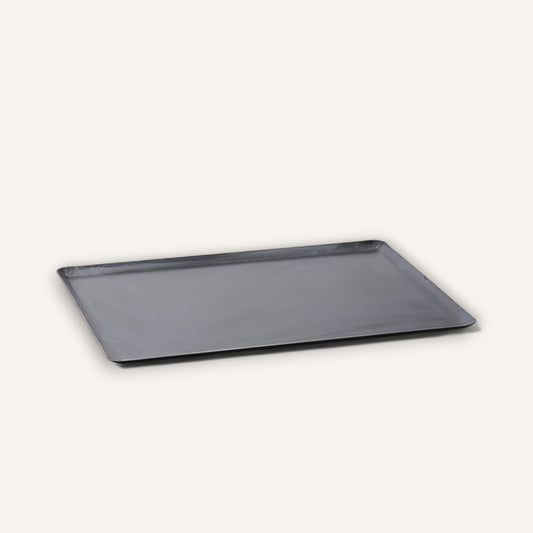
- Baking sheets: Flat metal trays, sometimes rimmed, for baking cookies or roasting, and typically measure 18" x 13" or 13" x 9"
- Pie pans: Shallow, round pans with sloped sides used for baking pies, and typically measure 9" diameter, 1" to 1.5" deep
Material, design, and finish affect baking outcomes. Metal, glass, and ceramic bakeware have different heat conductivity. If you’ve noticed uneven results in a glass pan, you’re not wrong. This material takes longer to cook your food than metal and often results in mushy baked goods with too-soft centers.
Within metal bakeware, there is plenty of variability, too. The type of metal, design, and finish have a significant impact on your baked goods.
What Makes Bakeware “The Best”?
There are many factors that go into making bakeware “the best.” You’ll need to consider material, conductivity, nonstick performance, quality, and maintenance requirements. Let’s get started.
Material Matters
You have many material options. We already discussed glass as a sub-par baking option, but there are many other excellent materials to consider. Most kitchens will contain combinations of the following.
- Carbon steel: Fantastic heat control makes carbon steel perfect for cooking thin, delicate pastries like crepes. When properly seasoned, this bakeware becomes nonstick over time.
- Aluminium: Lightweight, high-grade aluminium delivers excellent heat conductivity for even baking and browning.
- Blue steel: Blue steel bakeware (like de Buyer’s) offers excellent heat response and durability, especially when seasoned. This material won’t bend.
- Silicone: Silicone is flexible, nonstick, and easy to clean. It’s used for easy clean mats, molded shapes, and protective wear.
Heat Conductivity and Airflow
Baked goods that need to be flaky require high heat conductivity. For consistent results, look for bakeware that conducts and distributes heat evenly. For example, perforated bakeware, such as de Buyer’s Perforated Stainless Steel Baguette Pan, promotes airflow for crispy, golden finishes.
Nonstick Performance
Nonstick cookware is usually a must in baking, since most bakers want to avoid coating their pans in heavy amounts of oil and butter, as this can alter end results. The two options are PTFE-coated pans (Polytetrafluoroethylene) and naturally nonstick seasoned steel. Both options may have their place in your kitchen, depending on your needs.
|
Feature |
PTFE-Coated Pans (e.g. Teflon) |
Naturally Nonstick Seasoned Steel (e.g. carbon or blue steel) |
|
Nonstick Performance |
Excellent out of the box—no seasoning required |
Improves over time with seasoning and use |
|
Durability |
Prone to scratching, flaking, and wear over time |
Highly durable when maintained properly |
|
Heat Tolerance |
Limited (usually up to ~500°F); high heat can degrade coating |
Handles high heat well |
|
Ease of Use |
Very beginner-friendly |
Requires seasoning and maintenance to build nonstick layer |
|
Cleaning |
Easy to clean, usually dishwasher-safe |
Must be hand-washed and dried promptly to prevent rust |
|
Health & Safety |
Safe if used correctly, but concerns arise if overheated |
No synthetic coatings—just oil and metal |
|
Longevity |
Typically shorter lifespan (2–5 years) |
Can last decades with proper care |
|
Use Case |
Muffin tins, loaf pans, and brownie tins |
Baking sheets, tart sheets, expandable molds |
Build Quality
Reinforced edges, warp resistance, and easy-grip features signal long-term performance. Look for bakeware that’s cited as ‘long-lasting’ and comes from a brand with a history of crafting durable pieces.
Ease of Care
Consider whether your chosen bakeware is dishwasher-safe or requires seasoning and oiling. Aluminium and glass, for example, are the only true dishwasher-safe materials of the bunch. Keep in mind that most quality cookware and bakeware should be hand-washed for longevity and proper maintenance.
What Types of Bakeware Do You Need?
There are many different types of bakeware since many baked goods require niche tools to properly make. Madeleines, for example, are small cakes made with a specific shell pattern and require a specialty Madeleines mold pan to make. This specialty pan cannot be used for any other baked goods.
Both home kitchens and professional kitchens tend to stock the exact bakeware they need. Home bakers who don’t bake tarts will not purchase any tart pans since these pans cannot be used for any other purpose. However, some bakeware, like baking sheets and pie pans, has more variable uses.
The essential bakeware items for most kitchens are:
- Loaf pan
- Sheet pan
- Cake pan
- Tart pan
- Muffin tin
All bakers should invest in versatile, long-lasting pieces rather than cheap multi-piece sets. Each of these items needs to function well for its intended purpose. Professionals often prefer fewer, higher-quality tools as compared to large sets with low-quality tools.
Where to Buy High-Quality Bakeware
It’s best to shop with trusted specialty retailers, restaurant supply stores, or directly from professional-grade manufacturers. Just because you can get a baking sheet at a cheap online retailer doesn’t mean you should. Brands like de Buyer, USA Pan, and Emile Henry are well-regarded for their craftsmanship and performance.
Look for brands that are transparent about materials and are proud of their country of origin when evaluating bakeware quality.
Choose Bakeware That Supports Better Baking
The best bakeware isn’t just about aesthetics or brand—it’s about how it performs every time you preheat the oven or pipe dough into it. It doesn't matter whether you're baking for a simple family gathering or perfecting your signature loaf before your bakery opens. The right bakeware guarantees you consistent results every time. Look for a select group of well-crafted, versatile pieces that match your baking style and needs.
The best bakeware is the kind you reach for over and over again, because it delivers consistent results and stands the test of time. Shop for premier baking mats and sheets, durable baking rings and molds, and more at de Buyer.

Recommended for You
-
MINERAL B PRO Carbon Steel Fry Pan
8"
9.5"
11"
12.5"
$100.00 - $160.00
Sale Sold outRegular price $75.00 $100.00Regular priceUnit price per$0.00Sale price $100.00 -
MINERAL B Classic Carbon Steel Fry Pan
8"
9.5"
10.25"
11"
12.5"
14"
$65.00 - $155.00
Regular price $65.00Regular priceUnit price per -
MINERAL B PRO Carbon Steel Omelette Pan
9.5"
11"
$120.00 - $135.00
Sale Sold outRegular price $90.00 $120.00Regular priceUnit price per -
MINERAL B Carbon Steel Omelette Pan
8"
9.5"
11"
$75.00 - $110.00
Regular price $75.00Regular priceUnit price per -
Blue Carbon Steel Fry Pan
8"
9.5"
10.25"
11"
12.5"
$50.00 - $85.00
Regular price $50.00Regular priceUnit price per -
Protective Sleeve for Pan Handle
Default Title
$12.50 - $12.50
Regular price $12.50Regular priceUnit price per -
MINERAL B Carbon Steel Crepe & Tortilla Pan
9.5"
10.25"
12"
$65.00 - $90.00
Regular price $65.00Regular priceUnit price per -
Blue Carbon Steel Crepe & Tortilla Pan
7"
8"
9.5"
$25.00 - $45.00
Regular price $25.00Regular priceUnit price per -
MINERAL B Carbon Steel Country Fry Pan
9.5"
11"
12.5"
$110.00 - $170.00
Regular price $110.00Regular priceUnit price per -
MINERAL B Carbon Steel Egg & Pancake Pan
4.75"
5.5"
$40.00 - $50.00
Regular price $40.00Regular priceUnit price per -
Blue Carbon Steel Baking Sheet
15.75" X 11.8"
23.6" X 15.75"
$40.00 - $45.00
Regular price $40.00Regular priceUnit price per -
B BOIS Crepe Spatula
Default Title
$8.00 - $8.00
Regular price $8.00Regular priceUnit price per